
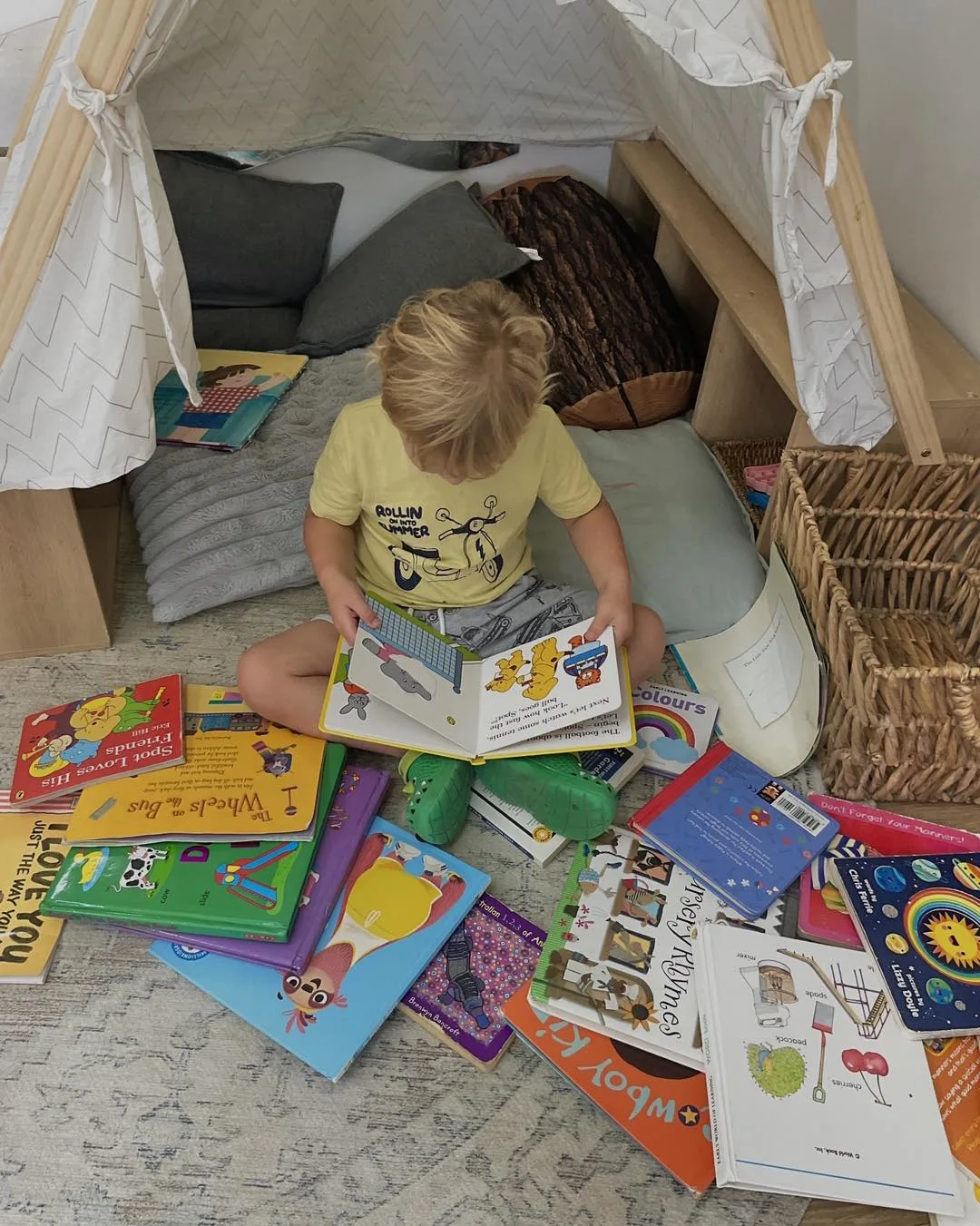

Choosing the right early childhood education environment is one of the most meaningful decisions a family can make. For many parents, finding a community preschool that feels warm, nurturing, and connected to real life is just as important as academic preparation.
In this article, we will explore what makes a community preschool special, the benefits of early learning environments, how to choose the right preschool, why emotional development matters, and how families stay connected to learning.
By the end, you will understand why a quality community preschool can set children up for success socially, emotionally, and academically.
What Is a Community Preschool?
A community preschool is a local early learning setting focused on relationship-based growth, family engagement, and developmentally appropriate practice. Unlike preschools that prioritize strict academic drills, community preschools emphasize play-based learning, social skills, and emotional safety.
These preschools often have smaller class sizes, prioritize individual attention, encourage family involvement, and focus on real-world, hands-on learning. Parents searching for preschool near me are increasingly choosing community settings because children thrive when they feel safe, known, and supported.
Why Early Childhood Education Matters
Research consistently shows that early learning environments strongly influence how children think, interact, and behave later in life. Children who attend quality preschools often show stronger social skills, communication abilities, emotional regulation, confidence, and curiosity.
This benefit is not only academic. When children feel secure and supported, they are more willing to explore, try new things, and take healthy risks.
The Benefits of a Community Preschool
Learning Through Play, Not Pressure
Young children learn best when learning feels like exploration rather than instruction. A quality early learning environment looks less like a classroom with desks and worksheets and more like a space for meaningful activities that develop foundational skills.
Examples of play-based learning include building with blocks and negotiating roles with friends, exploring outdoor nature spaces and asking questions about the world, storytelling, dramatic play, expressive language, and problem-solving during group activities.
These experiences may look simple but they lay the foundation for literacy skills, numeracy concepts, social cooperation, and critical thinking.
Emotional Safety Comes First
One of the biggest misconceptions about early education is that academic readiness should come first. In truth, emotional development in preschool is the gateway to learning. Children who feel emotionally secure are more likely to engage deeply with activities, try new challenges, recover from setbacks, and form friendships.
Educators in community preschools prioritize respectful communication, patience, empathy, conflict resolution through conversation, and positive encouragement instead of pressure. This approach helps build resilience, a skill children will carry into school and life.
Strong Social Skills and Peer Interaction
Children in community preschools practice real-world social skills. They learn to take turns, share ideas, express needs respectfully, work in teams, and navigate emotions when disagreements occur. These early social skills help children feel confident entering primary school and beyond.
Supporting Families, Not Just Children
A hallmark of community preschool is genuine partnership with families. Instead of separating school and home life, these preschools keep families involved through daily updates or informal chats, shared observations about progress, invitations to family events or learning activities, and transparent communication about routines and growth.
This partnership helps children feel a consistent support system, nurturing trust and reducing anxiety.
Infant Care and Smooth Transitions
Many families begin their search for care even earlier than preschool, often looking for infant care near me. Quality community-based services recognize that the earliest years shape how children approach relationships and learning later on.
In infant care settings, children benefit from predictable routines, consistent caregivers, attachment-based responses, and gentle transitions between home and care. For many families, this continuity builds trust and supports healthy brain development.
Flexibility for Modern Family Life
Family schedules do not always fit neatly into standard hours. Many community preschools also offer flexible options, including day care services to support working parents or families experiencing transitions.
The key principle remains the same: children thrive in environments that feel stable, familiar, and emotionally safe, regardless of attendance patterns. This flexibility gives families peace of mind while maintaining continuity in care and learning.
Skills Children Carry Into School and Beyond
When children leave a strong community preschool, they often feel capable of expressing needs and ideas, ready to participate in group activities, curious about reading, numbers, and the world, and independent in self-care and routines. These skills help children become confident, adaptable people.
Why Local Connection Matters
A community preschool reflects the values, cultures, and rhythms of the families it serves. Children learn how they fit into something larger, whether that is a classroom, neighborhood, or shared celebration.
Strong local connection includes inclusive practices that honor diverse backgrounds, shared responsibility for every child’s wellbeing, and celebrations of cultural events and family traditions. This sense of belonging becomes a vital part of a child’s early learning experience.
How to Choose the Right Preschool
Every child is unique. Some are naturally outgoing while others need time, reassurance, and a slower pace. A quality preschool adapts to these differences rather than standardizing them.
When visiting a center, parents should notice educators who speak at eye level, children who appear relaxed, happy, and engaged, conflicts handled respectfully, and a balanced mix of planned activity and free play. These observations can be just as telling as brochures or policies.
Final Thoughts: Growing With Care and Confidence
Early childhood does not need to be rushed or perfected. When children grow up in environments where they feel valued, heard, and supported, learning follows naturally, and the benefits last long after preschool years are over. Lakeside Creative Minds offers more than academic preparation. It offers belonging, emotional growth, social skills, and curiosity, the foundation of lifelong learning.
Frequently Asked Questions
What is a community preschool?
A preschool focused on play, social skills, and family engagement.
Why choose a community preschool?
Children thrive in environments that are safe, nurturing, and relationship-based.
What skills do children gain at preschool?
Social skills, confidence, early literacy, independence, and curiosity.
How can families stay involved?
Through daily updates, observations, and participation in activities.
What is infant care in community preschools?
Attachment-based, nurturing care with consistent routines and caregivers.
Does preschool prepare children for school?
Yes, it builds emotional, social, and cognitive readiness for school.

