
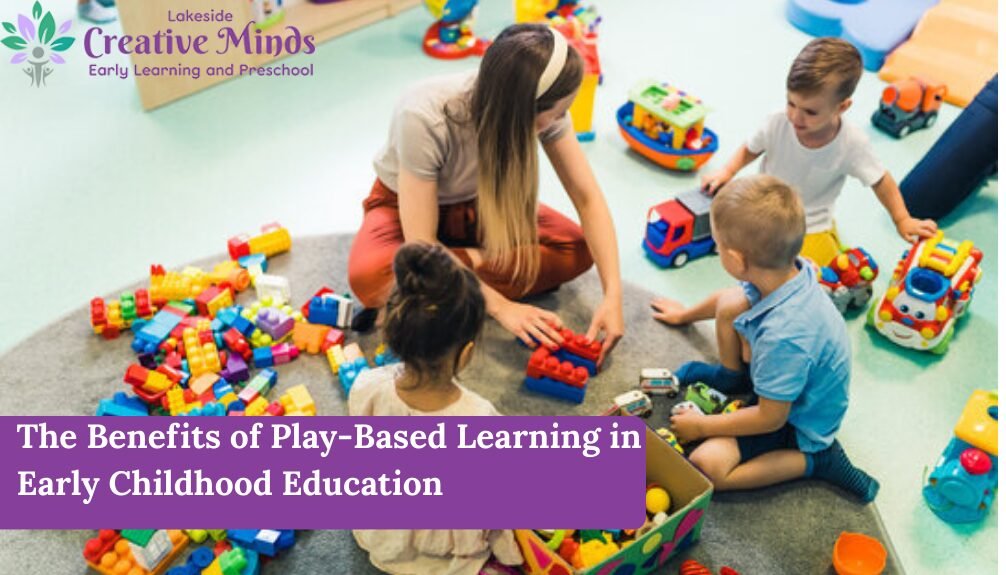

Experience the benefits of play-based learning through a simple experiment: just sit and watch children play, and you will start to realise something simple and powerful is happening. They are learning naturally and through typical classroom setups, pressure, or worksheets. When immersed in interactive play, children experience and learn through curiosity, movement, imagination, and connection.
Educational frameworks and developmental milestones may also guide play-based learning, but it centres on children learning through play and exploration.
If you are a parent around Raymond Terrace or anywhere in New South Wales, you may be wondering what kind of learning environment will truly help your child grow. Lakeside Creative Minds is one of those approaches that feels gentle on the surface but does incredible work.
Let’s walk through it together, the way one parent might explain it to another over coffee.
What play-based learning really looks like in real life
Play-based learning is not just letting kids run wild while adults stand back. It is about creating spaces where play becomes the doorway to thinking, problem-solving, talking, sharing, and discovering. One minute, your child might be stacking blocks. Next, they are figuring out balance, patterns, and patience. When they play pretend shops or homes, they are learning language, social skills, and how the world works. When they splash in water trays or dig in sand, they explore textures, cause and effect, and creativity.
It feels like fun because it is fun, but behind the scenes, their brains are busy making connections. In Australia, early childhood education strongly supports learning through play because it matches how young children naturally grow. Instead of forcing information in, play invites learning out. And honestly, when learning feels enjoyable, children lean into it instead of pulling away.
Why the early years are so important
The first five years of your child’s life are like the foundation of a house. Everything built later depends on how strong those early layers are. During these years, children are developing:
• how they communicate
• how they handle emotions
• how they solve problems
• how confident they feel trying new things
• how they relate to other people
Play gives them space to practise all of this in a natural way. When a child struggles to fit a puzzle piece and keeps trying, they are building resilience. When they wait their turn during a game, they are learning patience. When they comfort a friend who is upset, they are developing empathy. None of this feels like a lesson. Yet it becomes life skills that follow them forever.
The little everyday activities that make a big difference
Sometimes people imagine learning has to look serious to be effective. But in early childhood, the small playful moments are where the real magic happens. Here are a few everyday activities that quietly build strong learners:
• Sensory play with water, sand, rice, or textures to build focus and coordination
• Art and craft that encourage creativity and self-expression
• Music and movement that support memory and language
• Outdoor exploration that sparks curiosity about nature
• Pretend play that grows communication and confidence
What is beautiful about these activities is that every child engages at their own pace. Some jump right in. Some observe first. Both are learning.
How play grows your child’s brain without pressure
Your child’s brain develops fastest when they feel safe, interested, and happy. Play creates that perfect environment. When children build towers, they explore balance and problem-solving. When they tell stories during pretend play, they practise language skills. When they work together on games, they learn cooperation.
Over time, play strengthens:
• memory
• attention span
• creative thinking
• emotional control
• communication skills
It is learning that sticks because it is connected to experience, not memorisation. And the best part? Children feel proud of themselves when they figure things out on their own.
A quick look at what children develop through play
| Type of Play | What It Helps Build |
| Building and puzzles | Problem-solving, patience, and focus |
| Pretend play | Language, social confidence, and imagination |
| Sensory activities | Motor skills, calming, curiosity |
| Outdoor play | Physical strength, risk awareness, and teamwork |
| Art and music | Creativity, expression, and emotional growth |
Each type of play supports different parts of development, working together to shape a confident little learner.
Social skills grow naturally when children play together
One of the biggest gifts play-based learning gives is social confidence. Through play, children practise:
• sharing and turn-taking
• expressing feelings with words
• resolving small conflicts
• working as a team
• building friendships
Instead of being told what to do, they experience it. They learn what happens when they grab toys, when they wait patiently, when they include others, and when they help friends. These everyday moments shape how they interact with the world as they grow. For many children, this is where confidence really blossoms.
Does play-based learning actually prepare kids for school?
This is one of the most common questions parents have, and it makes sense. The short answer is yes. Very well. Children who learn through play often enter school with:
• stronger communication skills
• better emotional control
• confidence to try new tasks
• ability to work in groups
• early understanding of numbers and letters
Because they have been exploring, asking questions, and solving problems from a young age, they are used to learning. Instead of being overwhelmed by school, many adapt smoothly.
Play doesn’t delay learning. It builds a solid base for it.
Why is this approach widely supported in Australia
Australia’s early childhood programs are built around child-centred learning, encouraging exploration, relationships, and hands-on experiences. The national approach recognises that young children learn best when they are actively involved rather than passively listening.
You can read more about how early learning works in Australia through the Australian Department of Education which outlines early childhood development principles across the country. Another helpful parent-friendly resource is the Raising Children Network where many families learn about child development, learning, and wellbeing.
Both support the idea that play is not wasted time. It is essential learning time.
Choosing an environment that supports natural learning
Not every early learning space approaches play in the same way. The best environments gently guide children while letting them explore freely. Look for places that:
• encourage curiosity rather than rigid routines
• offer hands-on activities daily
• support emotional development
• allow both quiet and active play
• involve educators who engage with children during play
If you are exploring local options, you can see how a play-focused approach is nurtured at Lakeside Creative Minds by visiting their early learning environment. Seeing how children learn in a warm, engaging space often makes everything click.
Every child is different. Some are loud explorers. Some are quiet thinkers. Some jump into new activities. Some take time to warm up. Play-based learning honours all of that.
It does not rush children.
It does not compare them.
It lets them grow in their own rhythm.
And along the way, they build confidence, skills, friendships, and a love of learning that lasts far beyond preschool. If you ever find yourself watching your child stack blocks, pretend to cook dinner, or splash joyfully in water and wonder, “Are they really learning from this?”
The answer is yes. More than we often realise.

