
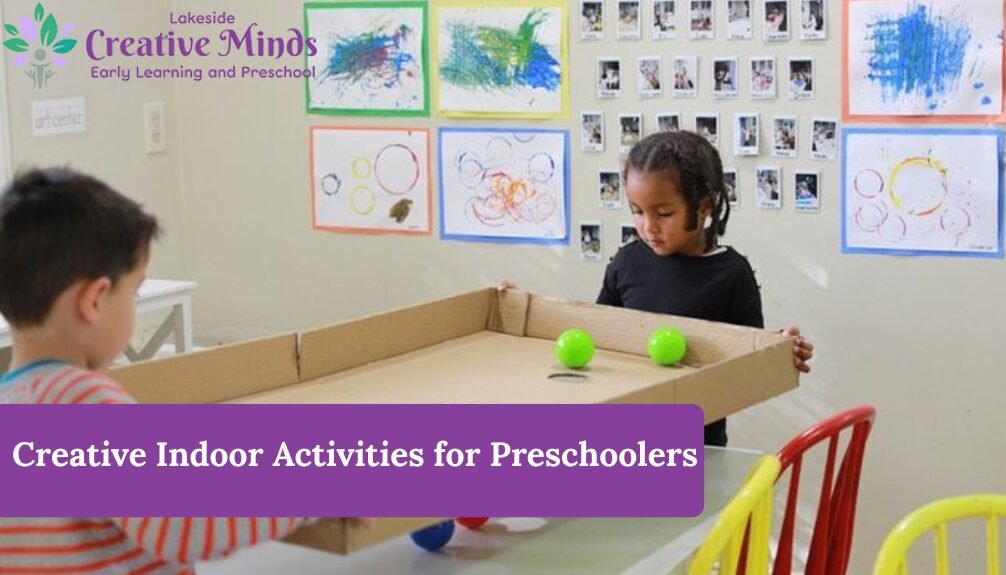

There are days when it is raining, maybe the sun is too strong, or your child woke up tired and emotional, and you can just tell that it’s going to be an indoor kind of day today. Parents dealing with little tots are all too familiar with this. A regular day would have you planning on how to keep your little one busy between breakfast and snack time.
Forget the fancy setups and the textbook jargon for a second. We know what real life looks like; it’s a bit chaotic. Instead of worrying about “perfect” activities, just focus on the stuff that actually works for you. I’m talking about simple things that fit into a busy schedule, even when you’re exhausted and just want to sit down. You can still help your kid learn and grow without making things way harder than they need to be.
Why Indoor Play Is So Important for Preschoolers
It’s super easy to write off playtime as just a way for kids to kill time so they aren’t bored, but for preschoolers? Play is basically their full-time job. It’s how they actually learn about the world. Whether they’re chatting with stuffed animals or figuring out a puzzle, they’re low-key building language skills, coordination, and emotional intelligence.
Honestly, setting up learning activities at home is just as impactful as whatever they’re doing in a classroom. When they’re stacking blocks, drawing, or playing “house,” they’re practicing math and reading prep without even realizing it. They just think they’re having fun.
Research from Australia’s national early learning portal shows that play supports cognitive, social, and emotional development, helping children build skills such as problem solving, memory, confidence, and focus, all while they simply enjoy themselves. You can read more about how play supports children’s learning on the government’s StartingBlocks website
Plus, indoor play helps them:
- Burn off that endless energy (in a way that won’t wreck the house)
- Actually learn how to focus on one thing
- Start doing things on their own
- Process their feelings in a safe space
- Build some real confidence
The best part? You don’t need a degree or some fancy, expensive toy setup to make it work. You’ve already got everything you need.
Simple Arts and Crafts That Kids Actually Enjoy
Creative activities for kids don’t need to be complicated to be meaningful. In fact, the simpler they are, the more room there is for imagination.
Watercolor Painting
Watercolor painting is always a win. With just paper, paint, and water, children can explore colours freely. They might paint rainbows, animals, or simply mix colours to see what happens. Sitting beside them and chatting about their artwork builds language skills and helps them feel proud of what they create.
Homemade Crafts with Recycled Materials
Homemade crafts using recycled materials are just as powerful. Old boxes, toilet paper rolls, and paper scraps can turn into houses, rockets, animals, or anything your child imagines. With glue, crayons, and a few stickers, they become little designers solving problems and telling stories through their creations.
Mask Making
Mask making adds another layer of fun. A paper plate or cardboard cutout can become an animal face, superhero mask, or silly character. Once it’s decorated, most kids naturally move into pretend play, acting out stories and roles.
Making a Homemade Book
Making a homemade book is especially special. Staple a few pages together and let your child tell you a story while you write the words. Then they draw pictures for each page. Reading it back together later gives them a huge sense of pride and shows them their ideas matter.
Rock Painting
Rock painting is another calm and creative favourite. Smooth stones become colourful patterns, faces, or animals. They can later be used in pretend games or kept as little treasures.
None of these needs to be perfect. The joy is in the process, not the result, in watching your child explore, create, and feel proud of what they’ve made.
Games That Build Thinking Skills Without Feeling Like Work
One of the nicest things about learning through play is that it rarely feels like learning to your child. Most educational indoor games simply feel like fun, yet so much is happening beneath the surface.
Through everyday games, your child is naturally building:
- focus and attention while completing puzzles
- memory skills through matching games
- early maths by sorting toys, pasta, or shapes
- patience by trying again when something doesn’t work
Building towers with blocks adds another layer of learning without pressure. Each wobble teaches balance, planning, and cause and effect. Instead of fixing it for them, gently wondering out loud what might happen if they move a block or change the base lets them problem-solve on their own. Over time, those little moments grow confidence in a way structured lessons never quite can.
Everyday Tasks That Teach Big Life Skills
It’s surprising how many preschool learning programs are already part of your daily routine. When you invite your child to help, you’re quietly teaching independence and responsibility.
Simple moments like these make a big difference:
- watering plants
- setting the table
- stirring ingredients while cooking
- tidying toys into groups
- helping put laundry away
Yes, everything takes longer, and yes, it gets messier, but those small inconveniences are where real learning happens. Talking through what you’re doing together strengthens language, builds memory, and helps your child feel capable. Over time, they begin to take pride in helping, which boosts confidence in ways no activity sheet ever could.
Sensory Play for Calm, Focus, and Imagination
On days when everyone feels overstimulated, sensory play can quietly reset the mood. It doesn’t take much to create a calming experience.
A simple setup might include:
- rice or dried beans in a tub
- water with cups and funnels
- sand or Play-Doh
- small toys for scooping and pouring
The repetitive movement is naturally soothing and helps children focus without being told to slow down. What makes it even more special is the imagination that comes along with it. You’ll often hear stories forming as they play, turning ordinary objects into oceans, farms, or treasure hunts. Sitting nearby and listening gives you a little window into their world, and those moments of connection are just as valuable as the play itself.
Pretend Play That Builds Emotional Understanding
Pretend play is where children start processing real life in a safe, creative way. Ordinary household items suddenly become something magical.
Through pretend play, kids often:
- practice communication and storytelling
- explore emotions through different characters
- solve simple problems within their games
- build confidence in leading their own ideas
A blanket becomes a fort, a box becomes a car, and suddenly your child is navigating relationships and situations through imagination. Sometimes they’ll pull you into the story, and other times they’ll want full control. Both are important. Following their lead shows them their thoughts matter and strengthens the bond you share.
Finding a Rhythm That Works for Your Family
There’s no such thing as a perfect indoor routine, and trying to force one usually adds stress. Most families find life feels easier with a loose rhythm instead of a strict schedule.
A gentle flow might look like:
- movement to release energy
- a creative activity like painting or crafts
- something calming, such as puzzles or sensory play
- one everyday task done together
Some days will feel smooth, others chaotic, and that’s completely normal. Trusting your instincts and your child’s mood often works better than any planned timetable. Flexibility usually leads to happier days for everyone.
When Home Play Meets Early Learning Support
What you’re doing at home already gives your child a strong foundation, but many parents like combining home play with early learning environments for extra support and social interaction.
Early learning programs often offer:
- guided play experiences
- hands-on creative learning
- peer interaction
- professional developmental support
Lakeside Creative Minds builds on what children already enjoy at home, helping grow confidence, curiosity, and emotional development in a nurturing setting. In Australia, preschool programs are designed with play-based learning at the core, helping young children prepare for school through activities that nurture creativity, problem solving and social skills. You can learn more about how preschool programs are structured on the Australian Government Department of Education’s website
Blending home play with early learning support often creates the best of both worlds and prepares children beautifully for their school years ahead.
Final Thoughts
To keep your toddler busy, you don’t need to turn your home into a classroom or an entertainment center. Just being around, letting your child explore, and having fun alongside them is enough. It’s important to remember that the messy, imperfect days count too, infact a child may learn more from them. Just being yourself, going with the flow each day, and most importantly, enjoying the process is what counts and will not exhaust you by the end of each day.
If you’re looking for a supportive, top-rated early learning preschool that offers STEAM-focused education, hands-on activities, and caters to every child’s development, consider exploring Lakeside Creative Minds, where creativity and learning come together in a warm, nurturing environment.
.

