
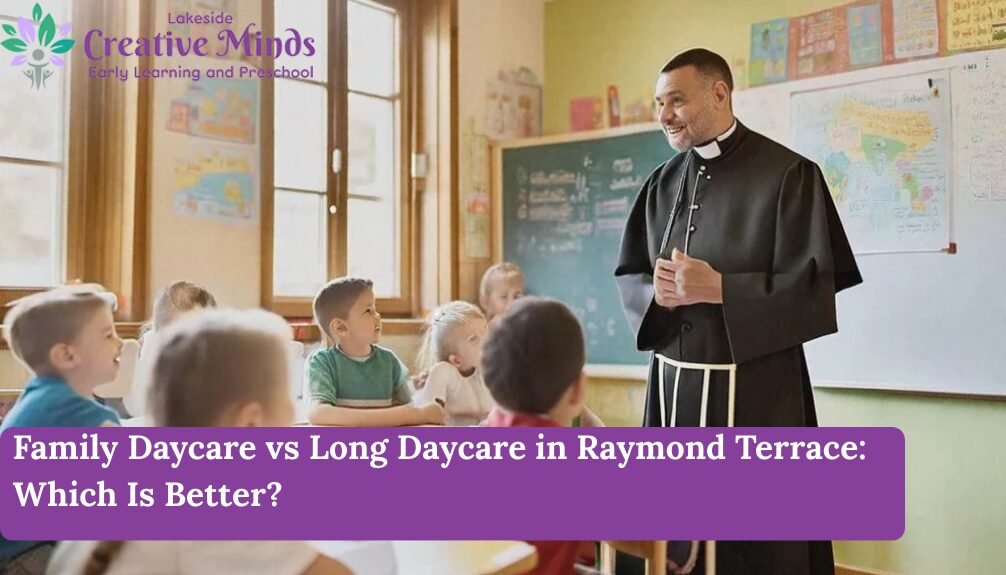

Stand in almost any small town across Australia early in the morning, and you’ll notice something familiar. A quiet street or a nearby church, and somewhere close, usually within walking distance, a catholic school connected to that church community.
For generations, Catholic schools have played a quiet but steady role in Australian education. They are not simply academic institutions. They are places where learning, values, and community life intersect in ways that often shape students well beyond the classroom.
When families search for the benefits of Catholic education, they’re rarely asking only about grades or curriculum. They’re asking something deeper. What kind of person will my child become here? Because education, when you really think about it, isn’t only about information. It’s about formation.
Why Catholic education is important for families across Australia
Parents choose schools for all sorts of reasons. Sometimes it’s proximity. Sometimes reputation. Occasionally, it’s simply where friends’ children already attend. But for many Australian families, the decision to enrol their child in a Catholic school is rooted in something more enduring. Values.
Morning assemblies may include reflection or prayer. During classroom discussions, real-world ethics are often connected to learning. In addition, community services and the activities associated with them encourage these students to see themselves as contributors to society and not just learners in an educational environment. Catholic education builds character alongside knowledge. This is important to those who want to go beyond academics.
What the Catholic education system tries to build beyond academics
Why is Catholic education important for many is due to the fact that the Catholic education system does not just focus on high marks, but on producing well-rounded individuals. During Catholic education, students are encouraged to
- Think critically about the world, question injustice,
- Recognize the importance of empathy and leadership
In many such schools, community engagement programs are part of the curriculum. These programs encourage students to volunteer locally, organize charity events, or even participate in social justice initiatives.
This kind of involvement helps children develop confidence in real-world situations and not just the classroom. Experiences like these often become the moments students remember years later.
Where the benefits of the Catholic education system often become visible
- Catholic Australian schools consistently prove academic success during national assessments.
- This outcome reflects a broader environment that encourages curiosity, discipline, and support in students.
- What’s different about Catholic schools is that teachers often see education as a vocation and not mere employment. This change in a teacher’s perspective shapes the classroom atmosphere in subtle ways.
- Catholic education encourages students to ask questions, and teachers are encouraged to guide rather than just lecture students.
- Catholic schools practice a specific class culture where a strong sense of shared responsibility is present amongst teachers, students, and families, and the school becomes part of a wider community network. This network later on supports children through challenges, which can be both academic and personal.
A simple way to think about the advantages of Catholic education
When people try to summarise the advantages of Catholic education, they often focus on a handful of recurring themes.
- A strong moral and ethical framework
- Academic programs that encourage critical thinking
- Community involvement and service opportunities
- Supportive learning environments with strong teacher commitment
- A focus on respect, responsibility, and compassion
All these elements work together to not only shape a child’s academic success but also his personal development. Schools may be different, but these principles form the backbone of many Catholic education systems all over Australia.
Learning environments that nurture the whole child
Catholic schools aim to create an atmosphere that promotes safety where the child feels supported and encouraged. They emphasise collaboration rather than competition alone, which happens in regular schools. The teachers will often focus on recognizing each student’s individual strength and focus less on comparing students against each other.
It is a fact that children learn best when they are emotionally secure. With emotional security comes a sense of belonging, which can dramatically influence a child’s confidence, their creativity, and their willingness to participate. Many families agree that this supportive environment is one of the lasting benefits of Catholic education.
How early learning environments influence lifelong development
A child’s early years are usually the most critical period for cognitive, social, and emotional development. The learning foundation begins a long time before a child even enters primary school. Research done on early childhood development highlights how these experiences, which a child encounters during the first years, shape their long-term learning outcomes.
This is one of the reasons many families look for childcare and preschool programs to encourage curiosity, social development, and confidence from an early age. There are learning centers offering structured early learning programs that focus on nurturing the cognitive, emotional, and social abilities children need before they move on to formal schooling. These also help in refining the child’s approach to formal education later on.
Why Choose a Catholic Education?
Choosing a school is a big deal, and Catholic education is a pretty solid option because it doesn’t just focus on grades. It’s more about helping students grow as whole people. It combines high-level academics with lessons on how to be a grounded human being, focusing on things like empathy, being responsible, and actually caring about the people around you.
Common Questions
Is it all just religious studies? Definitely not. While faith is part of the experience, these schools follow a full academic curriculum. You’re getting the same level of science, math, arts, and tech as anywhere else; it’s just taught in an environment that also values character.
Do you have to be Catholic to go there? Not at all. A lot of Catholic schools are really open to students from all different backgrounds and religions. The main thing they care about is that everyone is on the same page when it comes to values like respect, kindness, and looking out for the community.
How are the actual grades and results? The track record is actually really strong. In Australia, Catholic schools consistently turn out great academic results. They manage to balance that “high-achiever” energy with a focus on personal growth and staying involved in local community work.
The role of community in Catholic schooling
If you ever happen to visit a Catholic school, you will notice one thing standing out amongst the others. This is a sense of community. A Catholic school encourages parent participation in school events, the churches collaborate with these schools for community initiatives, and students learn that education is connected to a much wider world around them.
This Catholic education instills in children how their actions will affect others in life. Service projects, fundraising activities, and community outreach programs all help reinforce this message in students. Over time, these experiences shape students’ understanding of responsibility and leadership.
A thought for parents considering their child’s early education
A child’s early learning environment affects the tone for how they experience education. Social cooperation, creative learning, and early problem-solving skills are only some things that supportive child care and preschool programs introduce to children. Many early learning centers emphasize play-based education and emotional development during early learning environments.
For parents who may be considering a Catholic school for their child in the future, these early environments can play an important role. When children develop curiosity, respect for others, and a strong sense of community early on, they often transition more comfortably into school systems that emphasise similar values. In many ways, early learning centres that focus on these developmental foundations help prepare children for the structured learning, moral guidance, and community-based education that Catholic schools are known for.
The lasting impact many students carry into adulthood
If you ask an adult who attended Catholic schools what they remember the most about it, you might hear them mention teachers who believed in them or friendships that were built through community service and school events. Others would perhaps recall lessons about compassion, responsibility, and resilience that were instilled in them and stayed long after education finished.
All these recollections point towards benefits that are much deeper than academic results, the kind that influence decisions, relationships, and perspectives, useful throughout life. Education certainly shapes careers, but what is more important is shaping the character, which comes from Catholic education and lasts longer than any school lesson ever can.

