
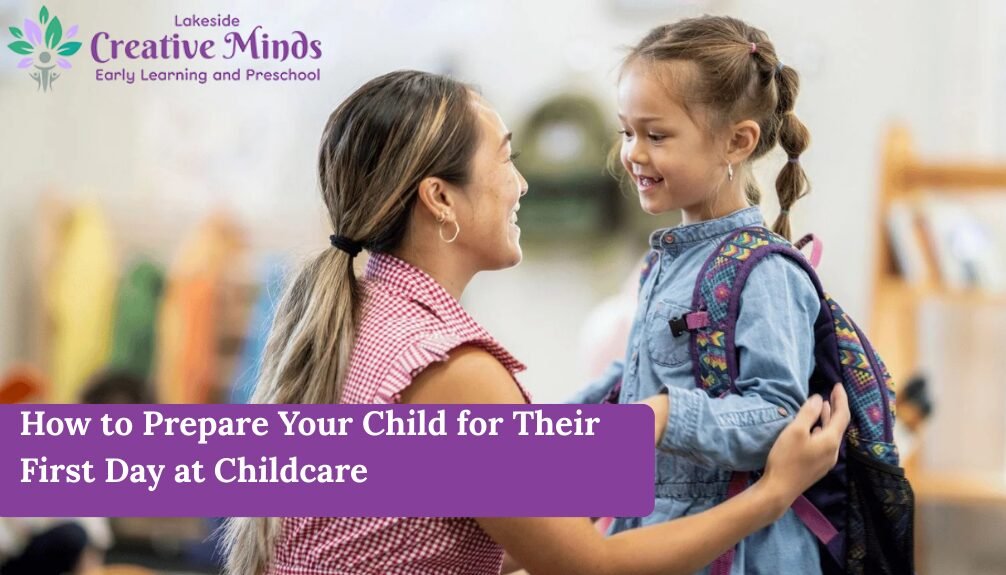

The first day at childcare is a big milestone, not just for your child, but for you too. It’s normal to feel a mix of excitement and nerves. Will your child make friends easily? Will they feel safe without you?
Starting childcare is a huge change, and preparation can make all the difference. This guide from Lakeside Creative Minds will give you practical tips and insights to help your child adjust smoothly, while easing your own worries. It also highlights the importance of outdoor play in early childhood education, which supports social skills, physical development, and emotional well-being.
Why the First Day Matters
Your child’s first day sets the tone for their entire childcare experience. It’s a chance for them to develop social skills, build independence, and learn in a structured environment. Even small positive experiences on the first day can boost your child’s confidence and enthusiasm for learning. Preparing them emotionally and practically can make the transition much smoother.
Your child’s first day sets the tone for their entire childcare experience. It’s a chance for them to:
- Learn new social skills
- Build independence
- Explore a structured environment for learning, guided by the early years learning framework
Remember, starting preschool is a huge step. A positive first day can make your child excited to go back tomorrow and can support School Readiness in Raymond Terrace.
Is Your Child Ready for Childcare?
Every child develops at their own pace, but certain signs indicate they might be ready for childcare. Emotional readiness, social comfort with peers, and the ability to handle simple daily tasks are all important markers. Being aware of your child’s readiness helps you focus on areas that may need extra support before the first day. A little preparation goes a long way in making your child feel secure.
Every child is different, but here are some signs your little one is ready:
- Emotional readiness: Can they handle short separations?
- Social skills: Are they comfortable interacting with other kids?
- Independence: Can they do simple tasks like washing hands or feeding themselves?
If your child ticks most of these boxes, they’re likely ready for a smooth start and can benefit from play based learning activities offered in childcare programs.
Step-by-Step: Preparing Your Child
- Talk About Childcare Positively
Start discussing childcare a few weeks in advance. Focus on exciting aspects like playing, learning new things, and making friends. Avoid framing it as something scary or as “being left behind.”
- Visit the Center
A pre-visit helps children become familiar with their new environment. Walk through the classrooms, playground, and meet the caregivers. Seeing the space beforehand makes your child less anxious and helps them recognize friendly faces on the first day.
During the visit, you can also introduce your child to water play benefits for babies if the center offers it, which can stimulate sensory development and creativity.
- Establish a Simple Routine at Home
Children thrive on predictable routines. Start practicing consistent bedtimes, meal times, and potty-training routines to match what childcare will offer.
- Practice Short Separations
Begin with brief goodbyes to help your child adjust to being away from you. Leave them with a trusted relative or friend for short periods. Always return on time and keep goodbyes brief and positive; this builds trust and security.
- Pack Comfort Items
Packing the right items can ease your child’s anxiety. Include favorite toys, a cozy blanket, extra clothes, and a labeled lunchbox. Comfort items provide reassurance during moments when your child feels nervous or overwhelmed.
Tips for the First Day
Arrive a little early to avoid rushing and give your child time to settle in. Keep your goodbye short and positive, encouraging them to join activities confidently. Remember, children often pick up on parental anxiety, so staying calm helps them feel safe and secure.
Centers that follow the early years learning framework often include play based learning activities and structured outdoor time, which can help your child engage naturally and confidently.
Helping Parents Cope
It’s natural for parents to feel anxious too. Sticking to your own routine, connecting with other parents, and focusing on the positives can make a big difference. Remember, your calm attitude helps your child adjust faster. Celebrate the small victories along the way.
Sharing your experiences with other parents also provides reassurance and builds a supportive community around this big transition.
Common Challenges & Solutions
Even with preparation, challenges may arise. Crying or tantrums are common; stay calm, reassure your child, and leave promptly. Difficulty adjusting to routines can occur; consistent schedules and gentle encouragement help.
Separation anxiety may appear at first, but with gradual practice and praise for small successes, most children quickly adapt.
Additional Resources for Parents
Books like “The Kissing Hand” and “Preschool Ready!” provide helpful guidance for children and parents. Online parenting communities offer advice, support, and shared experiences.
Official resources like CDC, UNICEF, and local childcare associations provide expert-backed tips and reassurance.
Conclusion
At Lakeside Creative Minds your child will gain confidence, make friends, and enjoy their new learning environment, while you feel reassured and proud. Incorporating the importance of outdoor play in early childhood education, water play benefits for babies, and following the early years learning framework ensures your child has a holistic and enriching experience, supporting School Readiness in Raymond Terrace.
- Talk about childcare positively
- Establish routines
- Practice short separations
- Pack comfort items
- Stay calm and supportive
FAQs
Q1: How can I prepare my child for childcare?
A: Start routines early and talk positively about the experience.
Q2: What should I pack for the first day?
A: Essentials like clothes, comfort items, lunchbox, and labeled belongings.
Q3: How long does it take for a child to adjust?
A: Usually 1-3 weeks, depending on the child’s temperament.
Q4: How does outdoor play help my child?
A: Outdoor play boosts social, physical, and emotional development.
Q5: Are water activities beneficial?
A: Yes, water play benefits babies and enhances sensory learning.
Q6: Why is early childhood education important?
A: It builds foundational skills and supports lifelong learning.

