
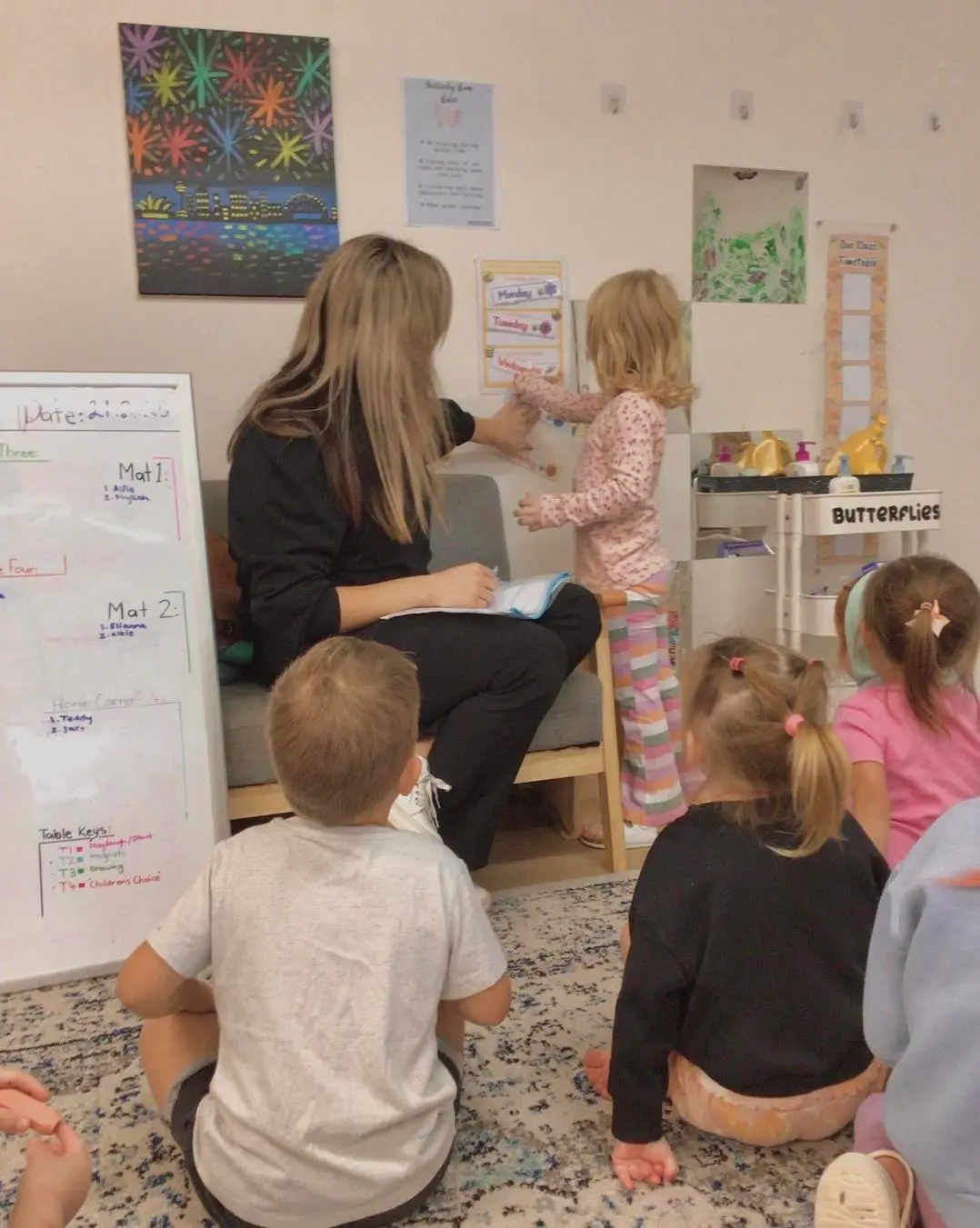

Early childhood education is a foundational step in your child’s development. In Australia, the terms preschool and kindergarten programs can mean different things depending on the state or territory. Understanding these differences can help you choose the best option for your child’s learning, social development, and school readiness.
This guide explains preschool vs kindergarten in Australia, age requirements, curriculum differences, and how to make an informed choice. It also provides insights into benefits, program types, funding, and practical tips for parents.
What Is Preschool in Australia?
Preschool is a structured early learning program designed to prepare children for formal schooling. It focuses on play-based learning and social-emotional development rather than formal academic instruction.
Key Features of Preschool
- Designed for children usually aged 3 to 5 years, most commonly the year before full-time school entry
- Based on play-based learning that supports social interaction, creativity, language, and cognitive skills
- Delivered by qualified early childhood teachers following national early learning standards
- Programs are typically part-time, aligned with school terms
Preschool Goals
Preschool helps children develop confidence and independence, learn to interact with peers, build foundational language and number skills, and strengthen fine and gross motor skills. Attending preschool can help children transition smoothly to primary school.
What Is Kindergarten in Australia?
Kindergarten in Australia can mean different things depending on the state or territory. It may refer to:
The Preschool Year Before School
In some states, kindergarten is the year of early childhood education before formal school starts, similar to preschool.
The First Year of Formal School
In states like New South Wales and the Australian Capital Territory, kindergarten is the first year of primary school. It is usually compulsory and includes structured academic learning.
Kindergarten Program Features
- Can be part-time or full-time depending on age and state rules
- Focuses on literacy, numeracy, social skills, and school routines
- Delivered by qualified teachers in schools or kindergarten centres
- Often funded or subsidised to support access
Kindergarten usually balances play-based experiences with emerging academic skills to prepare children for the rest of their schooling journey.
Preschool vs Kindergarten in Australia – State and Territory Differences
| State/Territory | Preschool Program | Kindergarten Meaning |
| NSW | Preschool before school | Kindergarten is the first year of school, compulsory |
| VIC | Often called kindergarten | Kindergarten is the preschool year before school |
| QLD | Often called kindergarten or pre-prep | Kindergarten is the year before Prep |
| SA | Preschool | Kindergarten is similar to preschool |
| WA | Rarely called preschool | Kindergarten is the year before pre-primary |
| ACT | Preschool | Kindergarten is the first year of school |
| TAS | Rarely used | Kindergarten is the year before school |
| NT | Preschool | Kindergarten is less commonly used |
This shows why parents sometimes get confused, as the term kindergarten does not have a single national meaning in Australia.
Curriculum: Play-Based Learning vs Structured Learning
Preschool Learning Approach
Preschool programs follow the Early Years Learning Framework, which emphasizes play as the basis for learning, holistic development, and learning through exploration. Preschool is not about formal reading or writing lessons but developing skills through play.
Kindergarten Learning Approach
Kindergarten programs include a mix of play-based experiences and structured learning. They focus on literacy, numeracy, social skills, and school routines. In states where kindergarten is the first year of school, learning is more structured to meet curriculum targets.
Age Requirements and Eligibility
Preschool
Children usually attend preschool the year before school entry, most commonly at age 4. Some states also offer programs for 3-year-olds.
Kindergarten
If kindergarten is the preschool year, children are usually 4 years old. If it is the first year of school, children are usually 5 years old. Age cut-offs depend on the state.
Benefits of Preschool and Kindergarten
Both preschool and kindergarten provide important benefits for young children:
- School readiness skills, including routines, literacy, and numeracy
- Social and emotional skills through group activities
- Cognitive development and early problem-solving
- Confidence and independence
High-quality early learning experiences prepare children for primary school and support lifelong learning.
Additional Benefits
- Early exposure to diverse learning activities improves attention and memory
- Structured routines help children adapt to school schedules easily
- Opportunities to make new friends and learn teamwork
- Support for emotional regulation and resilience
Preschool vs Childcare: What’s the Difference?
Childcare or long day care provides care for children from infancy to school age and is usually full-day. Preschool and kindergarten focus on structured learning and school readiness. Some childcare centres may offer approved preschool programs as part of their services.
Key differences include:
- Childcare prioritizes care and supervision
- Preschool prioritizes learning and school preparation
- Childcare is often flexible for working parents
- Preschool is typically term-based and follows a structured curriculum
Choosing Between Preschool and Kindergarten
Consider the following when deciding:
- Your location, as terminology differs by state
- Your child’s age and readiness for learning
- Program type and schedule, part-time or full-time
- Costs and government funding availability
- Program philosophy, whether play-based, academic-focused, or a combination
Questions to Ask When Choosing
- How experienced are the teachers?
- What is the student-to-teacher ratio?
- Are programs tailored to individual development?
- What extracurricular or enrichment activities are included?
- Are there opportunities for parent involvement?
Types of Preschool and Kindergarten Programs
Parents can choose from several program types depending on convenience, cost, and educational approach:
Community-Based Programs
- Often run by local councils or non-profit organizations
- Play-based curriculum focused on social and emotional development
- Affordable or subsidised
School-Based Programs
- Run within primary schools
- Blend of academic preparation and play-based activities
- May help children transition smoothly into school
Long Day Care Programs with Early Learning
- Full-day programs including care and preschool learning
- Flexible for working families
- May include additional enrichment activities like music, art, and physical education
Preparing Your Child for Preschool or Kindergarten
Parents can help children adapt to early learning by:
- Visiting the centre or classroom beforehand
- Practicing simple routines, such as packing a bag or following a schedule
- Encouraging independence in self-care, like dressing and toilet use
- Reading books about starting school
- Talking positively about making new friends and learning new skills
Tips for a Smooth Transition
- Maintain consistent sleep and meal routines
- Attend orientation sessions or open days
- Encourage curiosity through play at home
- Build confidence with small group interactions or playdates
Frequently Asked Questions
- Is preschool compulsory in Australia?
No, attendance is optional but recommended. - At what age should my child start kindergarten?
Usually age 4 or 5, depending on the state. - Can my child attend both preschool and kindergarten?
Yes, if the terms refer to different years. - What is the main difference between preschool and childcare?
Childcare focuses on care, preschool focuses on early learning. - Are preschool and kindergarten the same in all states?
No, the meaning varies by state. - Do all children benefit from preschool?
Yes, it helps with school readiness and social skills.
Conclusion
Understanding the differences between preschool and kindergarten in Australia is essential for helping your child have a positive start to their education. While preschool focuses on play-based learning and early social and cognitive development, kindergarten can provide either the final year before school or the first year of primary school, depending on the state.
Choosing the right program depends on your child’s age, readiness, location, and your family’s needs. Both preschool and kindergarten offer opportunities to develop social skills, confidence, and early academic foundations, setting your child up for success in primary school and beyond.
Investing in early childhood education ensures children are prepared for the challenges of school and enjoy a positive, confident start to learning.

