
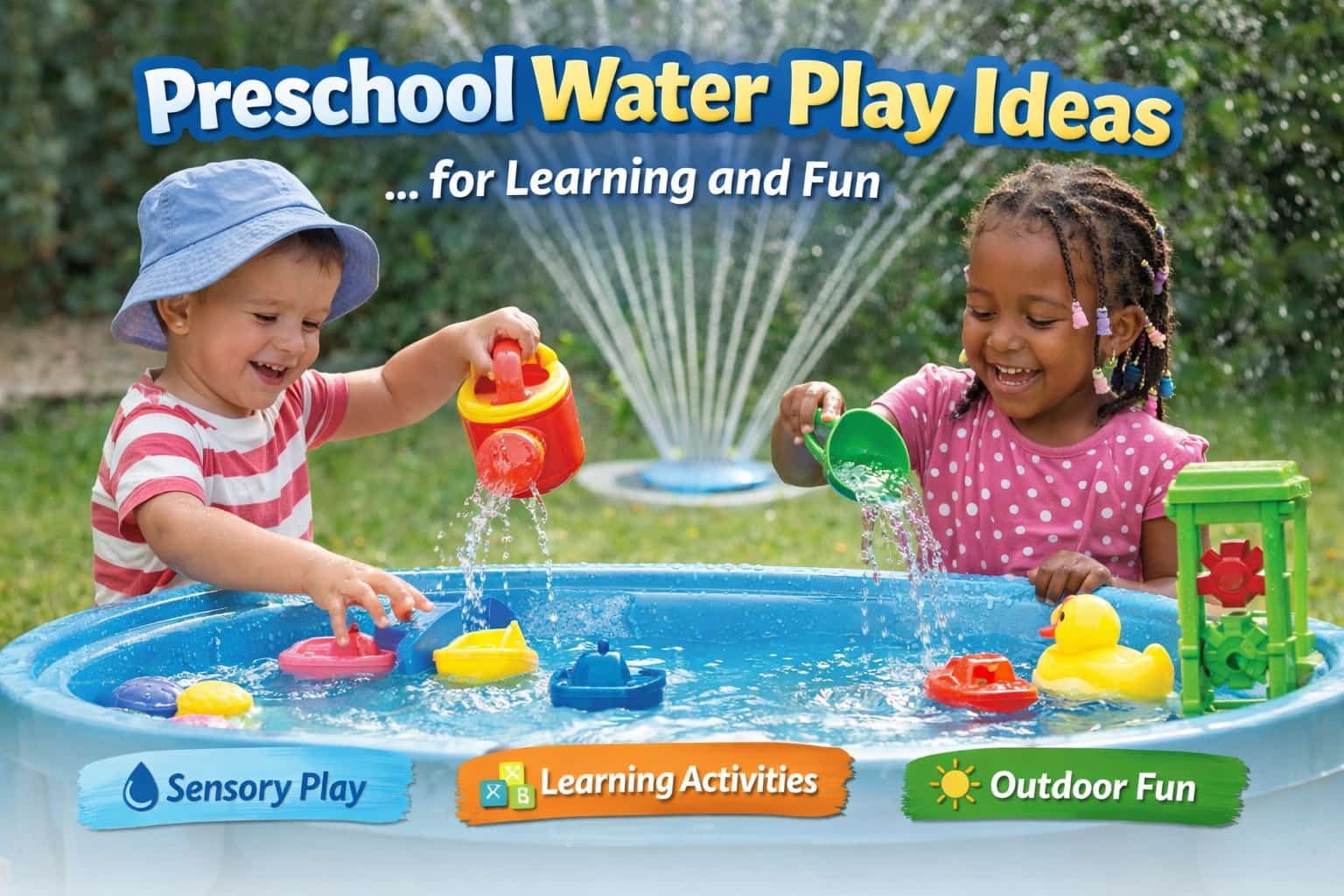

Water play is one of the most engaging ways for preschoolers to learn while having fun. More than just a playful activity, water play for preschoolers supports sensory development, motor skills, cognitive growth, and social-emotional learning. For families in Raymond Terrace, water play can be enjoyed at home or incorporated into early learning programs that emphasize hands-on learning and exploration.
From indoor sensory tubs to outdoor splash games, water play offers countless opportunities to develop essential skills in preschool-aged children. This article explores the benefits of water play for preschoolers, practical preschool water play activities, safety tips, and ways parents can make water play both fun and educational.
What Is Water Play for Preschoolers?
Preschool water play involves any activity where children engage with water to explore, experiment, or play. It can take many forms: pouring, scooping, floating and sinking experiments, sprinklers, water tables, and even water-themed storytelling sessions.
There are two main types of water play for preschoolers:
- Indoor water play: Using shallow tubs, cups, spoons, and small toys to explore pouring, measuring, and floating/sinking concepts.
- Outdoor water play: Engaging in sprinklers, splash pads, small pools, or bucket-filling activities in safe, open spaces.
Structured water play in preschool programs helps preschoolers practice problem-solving, collaboration, and curiosity while having a blast. Local Raymond Terrace programs often integrate water play into daily routines, making learning fun and interactive.
Benefits of Water Play for Preschoolers
Water play is not just enjoyable; it provides multiple developmental benefits that contribute to early learning and school readiness.
Cognitive and Problem-Solving Skills
Engaging in water play activities for preschoolers enhances cognitive skills. Pouring, filling, and transferring water helps children understand basic math concepts like volume, capacity, and measurement. Floating and sinking experiments encourage children to hypothesize, observe, and draw conclusions, fostering early STEM skills.
Fine and Gross Motor Development
Manipulating cups, spoons, or water toys strengthens fine motor skills, improving hand-eye coordination and dexterity. Outdoor water play, such as running through sprinklers or carrying buckets of water, promotes gross motor development, balance, and coordination.
Social and Emotional Skills
Water play often occurs in groups, whether at home with siblings or in preschool settings. Children learn to share tools, wait their turn, and collaborate on activities. Cooperative water play helps preschoolers develop patience, empathy, and social confidence, skills that are essential for group learning and kindergarten readiness.
Language and Communication
Talking about what they see and do during water play helps preschoolers develop vocabulary and communication skills. Phrases like “pour,” “fill,” “float,” and “sink” become part of their language, while guided conversation encourages expressive and receptive language development.
Fun Water Play Activities for Preschoolers
Here are practical preschool water play ideas that combine fun with play-based learning.
Indoor Water Play with Preschoolers
- Sensory Water Tubs: Fill a shallow tub with water and provide cups, spoons, and small toys for pouring, scooping, and splashing.
- Floating and Sinking Experiments: Let children predict and test which objects float or sink, sparking curiosity and observation skills.
- Pouring and Measuring Games: Use containers of different sizes to teach concepts like full, empty, more, and less.
- Color Mixing Experiments: Add a few drops of food coloring to water and let preschoolers mix to create new colors, encouraging creativity and scientific thinking.
Outdoor Water Play for Preschoolers
- Water Tables and Splash Play: Outdoor water tables allow children to pour, scoop, and interact with floating toys, promoting fine motor skills and cooperative play.
- Sprinkler or Splash Pad Games: Running through sprinklers or gentle splash pads develops gross motor skills and encourages physical activity.
- Bucket-Filling or Relay Races: Children work together to transport water from one container to another, teaching teamwork and problem-solving.
- Sidewalk Water Painting: Use brushes, sponges, or even fingers to “paint” with water on pavements, combining art, creativity, and water exploration.
Water Day Preschool Ideas
Organizing a water day preschool at home or in early learning centres can make water play even more engaging:
- Themed Water Play: Boats, ocean adventures, or underwater exploration setups.
- Science and Storytelling: Combine water activities with storytime or simple experiments to reinforce learning concepts.
- Group Problem-Solving: Encourage preschoolers to work together on challenges like moving water from one container to another or floating objects as “boats.”
Safety Tips for Preschool Water Play
Safety is essential for preschool water play:
- Supervision: Always supervise children during water activities.
- Shallow Water: Keep water shallow for indoor tubs or outdoor pools.
- Non-Slip Surfaces: Use mats or textured surfaces to prevent slips.
- Age-Appropriate Toys: Avoid small items that could pose a choking hazard.
- Sun Safety & Hydration: Outdoor water play should include sunscreen, hats, and water breaks.
How Early Learning Centres Use Water Play for Preschoolers
Early learning centres in Rayond Terrace often integrate water play with preschoolers into structured learning:
- Daily water play routines build sensory and motor skills.
- Activities encourage social interaction, cooperation, and problem-solving.
- Water tables, sprinklers, and experiments introduce early STEM concepts.
- Water play also supports kindergarten readiness, improving attention, patience, and group participation.
Centres like Raymond Terrace, leading long day care and kindergarten, use water play as part of their early childhood curriculum, combining learning and fun seamlessly.
Tips for Parents: Making Preschool Water Play Fun and Educational
- Rotate Activities: Keep water play interesting by regularly changing materials and challenges.
- Use Household Items: Cups, funnels, sponges, and bottles can turn everyday items into engaging water play tools.
- Combine with Other Sensory Play: Pair water with sand, bubbles, or tactile activities for a multi-sensory experience.
- Encourage Conversation: Ask children to describe their observations, predict outcomes, and explain their actions.
- Outdoor Play: Incorporate water activities with outdoor exploration for gross motor skill development and fresh air.
Frequently Asked Questions (FAQs)
1. What is the importance of water play for preschoolers?
Water play develops sensory, cognitive, motor, and social-emotional skills essential for early learning.
2. How does water play help with kindergarten readiness?
It builds social skills, cooperation, attention span, and problem-solving abilities needed for structured school settings.
3. Can preschoolers play with water indoors?
Yes, with shallow tubs, supervision, and safe toys, indoor water play is both fun and educational.
4. How often should preschoolers engage in water play?
Daily or several times per week is ideal, depending on the child’s interest and attention span.
5. What materials are safe for preschool water play?
Shallow tubs, cups, spoons, sponges, and floating toys designed for preschoolers are safe and engaging.
6. How can water play improve social skills in preschoolers?
Group water activities encourage sharing, turn-taking, teamwork, and cooperation among peers.
Conclusion
Water play for preschoolers is an essential part of early learning. By combining indoor and outdoor activities, parents and educators can promote sensory exploration, fine and gross motor development, cognitive growth, and social-emotional learning.
Whether through indoor tubs, water tables, sprinklers, or water day preschool events, these activities help preschoolers in Raymond Terrace build foundational skills in a fun and interactive way. With consistent and engaging water play experiences, preschoolers develop the confidence and abilities they need for future learning and success.

