
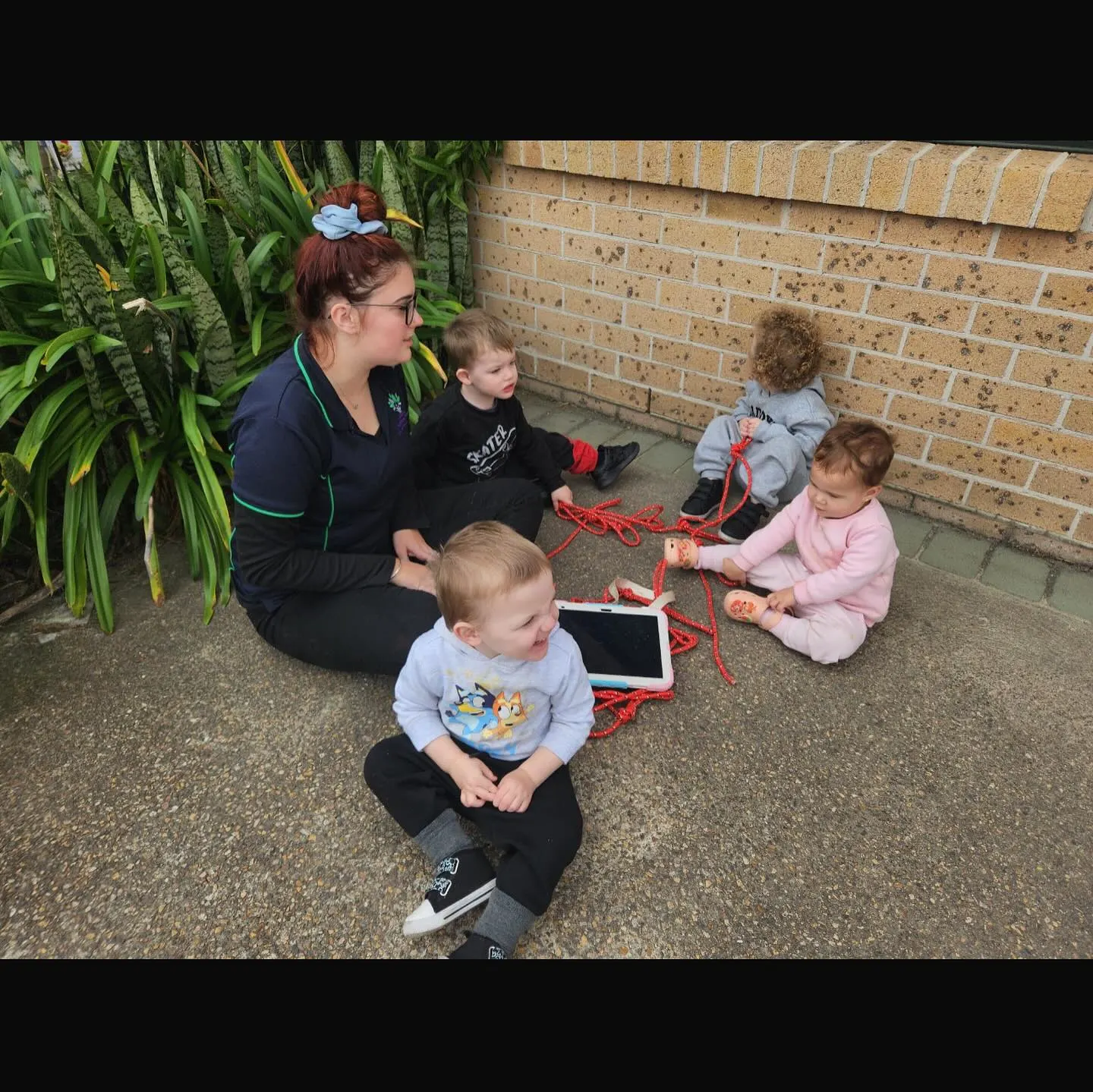

Choosing the right child care environment is one of the most important decisions a family can make. Quality child care does more than keep children safe- it shapes the way they learn, build relationships, and develop confidence during their earliest years.
From the outside, a child care centre may seem like a place filled with playtime, routines, and laughter. But inside, children are learning critical life skills that set the foundation for future success. Every activity, interaction, and experience contributes to emotional, social, and cognitive growth.
In this guide, we explore why early childhood education matters, what defines quality child care, and how families in Raymond Terrace can find the best environment for their children.
Why Early Childhood Education Matters
The first five years of life are a period of rapid brain development. Studies in early learning show that over 80% of brain growth occurs before age five. During this time, children develop the foundations for language, thinking, social skills, and emotional resilience.
Early learning experiences are crucial because they influence long-term outcomes. Children exposed to supportive, stimulating environments are more likely to succeed academically, form healthy relationships, and adapt confidently to new situations.
Simple daily activities, like storytelling, group play, or creative arts, help children develop language, curiosity, and social awareness. These moments may seem small, but over time they create meaningful progress and set the stage for lifelong learning.
What Makes Child Care High-Quality?
Not all child care centers are created equal. High-quality early learning programs focus on relationships, intentional learning, and responsive teaching rather than rigid instruction. Educators observe children closely and design activities that meet their developmental needs and interests.
Here are key elements families often look for in a quality child care environment:
- Warm, responsive educators who know each child well
- Safe and engaging indoor and outdoor spaces that encourage exploration
- Balanced daily routines supporting play, rest, and structured learning
- Open communication with families to foster collaboration
- Programs aligned with early learning frameworks for consistent development
When these elements are in place, children feel secure enough to explore, experiment, and learn with confidence.
Learning Through Everyday Experiences
Young children learn best through hands-on experiences rather than sitting still or memorizing information. Everyday moments, like snack time, block play, or outdoor activities, become valuable learning opportunities when guided thoughtfully by educators.
For example:
- Shared snack time teaches turn-taking, conversation, and self-regulation
- Building with blocks encourages problem-solving, planning, and persistence
- Outdoor play strengthens physical coordination, resilience, and social skills
By integrating learning into daily routines, children develop independence and a genuine love for learning that carries into school and beyond.
Supporting Families, Not Replacing Them
Quality child care doesn’t replace the role of parents—it works in partnership with them. Parents and carers know their children best, and open communication ensures consistency between home and care settings.
At centres like Lakeside Creative Minds, educators build trust with families through regular updates, shared goals, and respectful collaboration. This partnership supports children during key transitions, such as starting day care or moving into primary school, providing a sense of security and stability.
Understanding Different Child Care Options in Raymond Terrace
Families often consider multiple child care options before deciding what suits their lifestyle and values. Common choices include:
- Family Day Care Raymond Terrace: A home-based environment with fewer children, offering personalized attention and a nurturing setting
- Centre-Based Programs: Structured programs with larger groups, more social interaction, and a wider range of activities
Each option has benefits. The right choice depends on a child’s personality, family schedule, and learning needs. What matters most is that the environment feels safe, nurturing, and supportive of the child’s development.
The Role of Play in Early Learning
Play is not just fun, it’s an essential component of early childhood education. Play-based learning allows children to explore, experiment, and develop critical skills naturally.
Through play, children:
- Develop problem-solving and creativity
- Improve language and communication skills
- Practice social skills, such as sharing, cooperation, and empathy
- Learn emotional regulation through self-expression and understanding others
A play-focused approach prepares children for school while keeping learning enjoyable and meaningful.
Building Social Confidence from an Early Age
Social skills are a key outcome of early learning. Children learn to share, express feelings, and resolve conflicts under the guidance of caring educators.
In group settings, children practice:
- Making friends and working together
- Understanding boundaries and empathy
- Expressing needs with words rather than behaviour
- Adapting to routines and transitions
These skills form an emotional toolkit that children rely on throughout school and life.
Preparing for School Without Pressure
School readiness is about more than academics. It’s about confidence, curiosity, and the ability to engage with others. Children who feel secure are more likely to participate, ask questions, and adapt to new environments.
A strong early learning foundation helps children transition smoothly into primary school. They arrive familiar with routines, group learning, and emotional regulation, which supports academic success naturally over time.
Families exploring day care Raymond Terrace options often prioritize balanced preparation, where learning is encouraged without pressure or comparison.
The Physical Environment Matters
The design of a child care environment significantly impacts learning and wellbeing. Thoughtfully planned spaces encourage exploration, independence, and creativity.
Important elements include:
- Open-ended materials that spark imagination
- Natural light and calm colours to support emotional wellbeing
- Safe outdoor areas for physical activity and discovery
When children feel comfortable in their surroundings, they are more willing to engage, take risks, and try new things.
Choosing a Child Care Centre: A Thoughtful Decision
Selecting a child care environment is about more than convenience,it’s about values, trust, and long-term growth. A quality setting supports children as whole individuals, recognizing that learning is social, emotional, creative, and cognitive.
When children feel seen, supported, and encouraged, they don’t just prepare for school,they gain the confidence to thrive in all areas of life.
Conclusion: Investing in a Child’s Future
Lakeside Creative Minds offers more than supervision. It provides a nurturing space where young minds thrive. From social and emotional development to school readiness and early learning, the right environment lays a foundation for lifelong success.
Families who invest time in choosing the right child care centre give their children the gift of confidence, curiosity, and resilience, tools that last a lifetime.

