
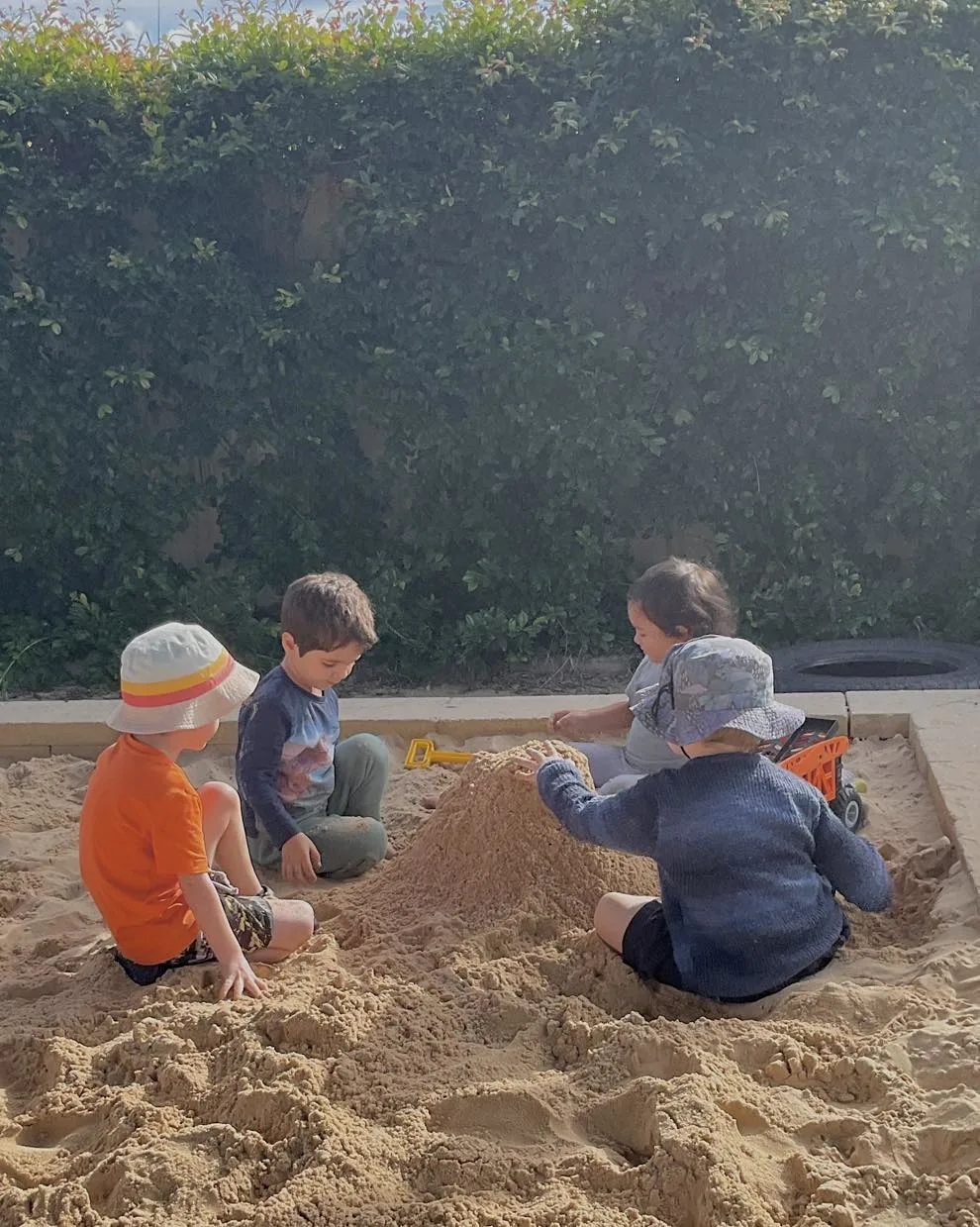

Families today are looking for more than just academics when choosing a school for their children. They seek early childhood education environments where children feel seen, supported, and encouraged to explore their world.
In Raymond Terrace, schools and early learning providers are becoming a top choice for parents who value community connection, personalized learning, and a nurturing foundation for their child’s future. With options ranging from family day care Raymond Terrace to innovative online early education programs, families have flexibility while ensuring quality education.
“Early childhood education is the cornerstone of lifelong learning, shaping social skills, emotional resilience, and cognitive development.”
Why Local Early Childhood Education Schools Matter
Choosing the right school is one of the most important decisions a parent can make. It’s not just about location or convenience; it’s about finding a place where children are genuinely encouraged to grow.
Key Benefits of Local Schools in Raymond Terrace
- Community-Focused Approach: Schools emphasize personal connections, making education accessible and supportive.
- Smooth Transition to Formal Schooling: Many parents combine schooling with family day care Raymond Terrace, providing smaller group settings and flexible hours.
- Holistic Child Development: Schools support cognitive, emotional, and social growth through structured lessons and play based learning activities.
At LCM, our programs are designed to reflect the EYLF framework, ensuring that each child receives developmentally appropriate experiences.
Early Learning That Shapes Lifelong Skills
Strong early learning experiences are essential for building a foundation for future academic success. In Raymond Terrace, early childhood educators focus on each developmental stage without rushing children.
Practical Early Learning Activities Include:
- Observing nature and outdoor exploration
- Building with blocks and constructive play
- Guided storytelling and imaginative exercises
- Collaborative group activities that foster teamwork
Benefits of Structured Early Learning
| Skill Developed | Activity Example | Long-Term Benefit |
| Cognitive Development | STEM and problem-solving games | Improved analytical and critical thinking |
| Social & Emotional Skills | Role play & group projects | Empathy, communication, confidence |
| Creativity & Imagination | Art, music, and expressive storytelling | Innovative thinking, curiosity |
| Physical Development | Outdoor play & motor activities | Healthy growth and coordination |
For families unable to attend in-person classes regularly, early childhood education classes online or online early education programs offer interactive and accessible alternatives that maintain quality learning experiences.
Best Age to Start School
While readiness varies, most experts recommend starting formal schooling around 5 to 6 years old. Signs a child is ready include:
- Following simple instructions
- Interacting comfortably with peers
- Expressing needs clearly
- Showing curiosity about letters, numbers, or stories
Transition-to-school programs in Raymond Terrace help children adjust through:
- Shorter days initially
- Play-based introductions to learning
- Extra emotional support
These approaches ensure children feel confident and motivated rather than overwhelmed.
How to Choose a Good Public School
Selecting the right school goes beyond rankings and reviews. Observing the environment and interaction is often the most reliable method.
Indicators of a Quality Early Childhood Education Environment
- Welcoming, Positive Environment:
Children should appear engaged and comfortable. - Strong Communication With Families:
Schools maintain updates through newsletters, parent meetings, or digital platforms. - Experienced & Passionate Teachers:
Look for warmth, professionalism, and enthusiasm in staff. - Balanced Learning Opportunities:
Academics, arts, outdoor activities, and social skills should all be prioritized. - Clean & Safe Facilities:
Safe playgrounds, thoughtful classroom design, and hygiene protocols are essential.
Parents often combine school tours with community conversations to understand how a school integrates the EYLF framework and play based learning
Beyond the Classroom: Supporting Growth at Home and in the Community
Academic learning is important, but so is a child’s environment after school. Many families in Raymond Terrace rely on child care or tutoring programs to provide extended support.
Typical After-School Programs Offer:
- Homework help and guided study sessions
- Healthy snacks and meals
- Supervised play for social skill development
- Enrichment activities to foster creativity
These services ensure children don’t just attend school they thrive in every aspect of their day.
Modern Learning: Preparing Children for the Real World
Raymond Terrace schools focus on equipping children with real-world skills rather than rote memorization. This includes creativity, problem-solving, and emotional intelligence.
Innovative Learning Strategies Include:
- Collaborative Projects: Teamwork and project-based learning
- Nature-Based Learning: Outdoor science and exploration
- STEM Experiences: Early exposure to coding, math, and logic
- Expressive Arts: Music, drama, and visual arts
- Peer Communication Tasks: Role-playing and cooperative games
These activities produce confident learners who ask questions, explore ideas, and apply knowledge in practical ways.
Community Involvement in Education
Raymond Terrace is known for its strong community spirit, which is reflected in local schools. Partnerships between families, educators, and local organizations create programs and events that make learning inclusive and connected.
Examples of Community Integration:
- Cultural celebrations
- Reading sessions and book clubs
- Charity drives and volunteer activities
Children in these programs learn the value of belonging and develop empathy, resilience, and social responsibility early in life.
Advantages of Online Early Education Programs
For families with busy schedules or remote living arrangements, online early childhood education offers flexible learning opportunities.
Benefits of Studying Early Childhood Education Online:
- Flexible Scheduling: Learn at your own pace without disrupting family routines.
- Wide Access to Resources: Interactive tools, videos, and games enhance learning.
- Teacher Interaction: Many programs provide live feedback and support from qualified early childhood educators.
- Skill Development: Programs cover cognitive, social, and emotional skills comparable to in-person classes.
Popular Online Options Include:
| Program Type | Key Features | Ideal For |
| Online Classes Early Childhood Education | Structured lessons, interactive activities | Preschool & kindergarten kids |
| Early Childhood Education Classes Online | Focused modules on literacy, math, and STEM | Parents & caregivers |
| Online Early Education Programs | Holistic learning, including social & emotional | Families with remote access |
For parents exploring these programs, online education can complement family day care Raymond Terrace and in-person schooling.
Conclusion:
The right early childhood education experience in Raymond Terrace gives children a solid foundation academically, socially, and emotionally. Schools and early learning providers, like LCM, offer supportive educators, safe and engaging environments, and strong community ties.
Key Takeaway: Investing in quality early childhood education—whether in-person or online ensures children grow into confident, curious, and capable learners ready to face the future.
With resources like online early education programs, early childhood education classes online, and local child care support, families can craft an enriching learning journey for their children that combines flexibility, engagement, and high-quality education.
FAQ: Early Childhood Education in Raymond Terrace
Q: What age is best to start early childhood education?
A: Generally, children between 5–6 years old show readiness, but programs are flexible to accommodate individual development.
Q: Can I study early childhood education online?
A: Yes, there are early childhood education online courses and online classes that allow flexible learning from home.
Q: What should I look for in a local early childhood school?
A: Focus on teacher quality, balanced curriculum, safe facilities, strong family communication, and a welcoming environment.
Q: Why is early childhood education important for long-term development?
A: It develops language, social, emotional, and cognitive skills that strongly influence future learning success.
Q: How do early childhood programs support social skills in young children?
A: They use guided play and group activities to teach communication, cooperation, and emotional awareness.

