
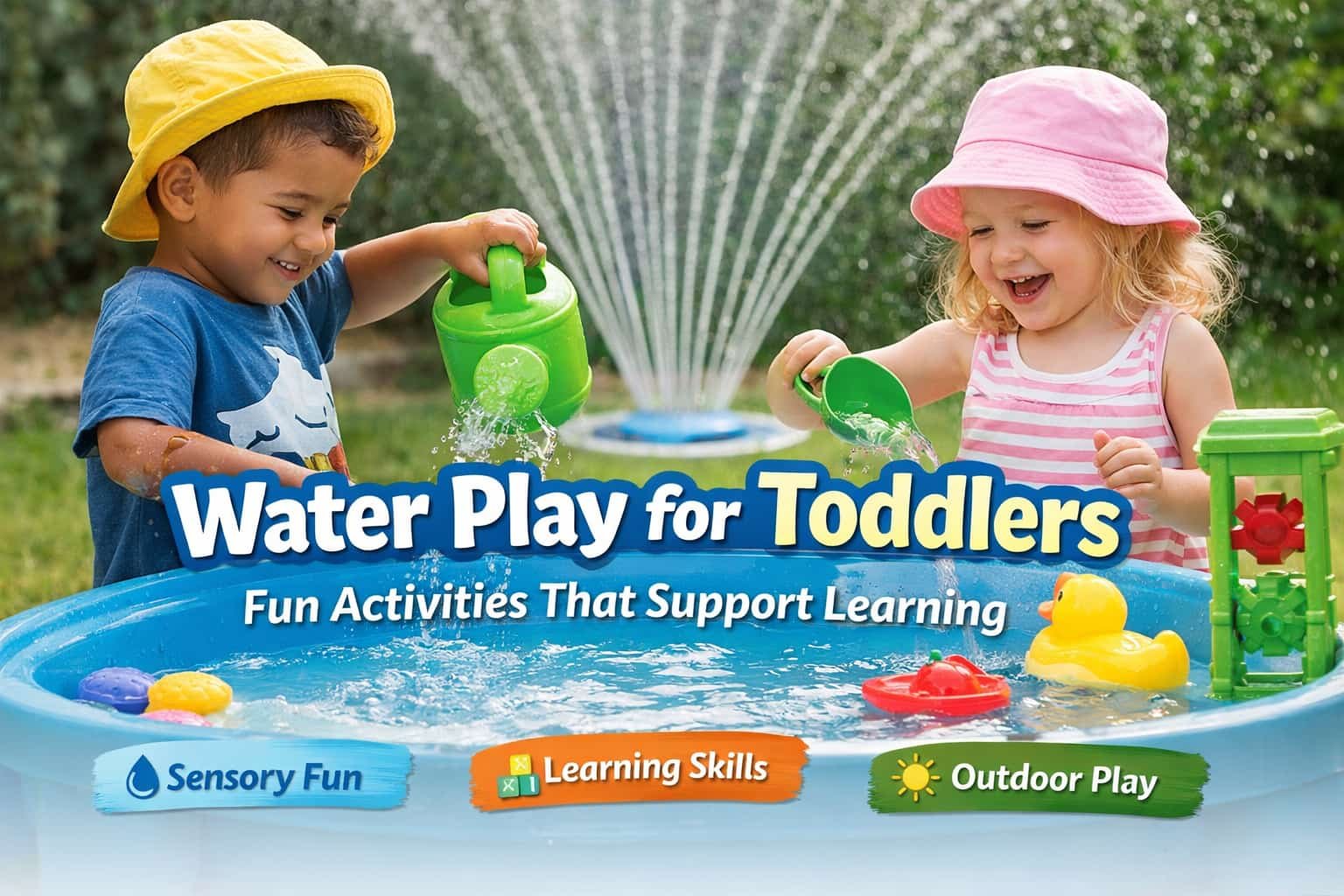

Water play is one of the most engaging and educational activities for toddlers. It’s not just fun; water play for toddlers encourages sensory exploration, fine and gross motor development, early cognitive skills, and social-emotional growth. For families in Raymond Terrace, incorporating water play at home or enrolling children in early learning programs that emphasize sensory learning can help toddlers gain essential skills while having a blast.
From simple pouring games to outdoor sprinklers, toddlers can benefit from structured and free-form water play. In this article, we’ll explore the benefits of water play for toddlers, practical water play activities for toddlers, safety tips, and ways parents can make water play both fun and educational.
What Is Water Play for Toddlers?
Water play involves any activity where toddlers interact with water to explore, experiment, or play. It can range from pouring water between cups, using water tables, floating toys, to outdoor water sprinklers. Water play is a versatile tool for learning because it combines sensory experience with cognitive and social development.
There are generally two types of water play:
- Indoor water play: Using shallow tubs, cups, spoons, or sensory bottles for pouring, filling, and observing floating and sinking objects.
- Outdoor water play: Playing with sprinklers, small pools, water tables, or garden hoses in safe, open spaces.
Structured water play in our toddler program in Raymond Terrace helps toddlers practice social interaction, problem-solving, and curiosity. For Raymond Terrace parents, many early learning centres integrate outdoor water play for toddlers to support developmental growth in a fun and safe environment.
Benefits of Water Play for Toddlers
Water play is more than just a fun activity; it offers a wide range of developmental benefits.
1. Cognitive and Sensory Development
Water play stimulates curiosity and observation. Toddlers learn to pour, measure, and compare amounts of water, which introduces basic math concepts like volume and quantity. Activities like floating and sinking experiments spark problem-solving skills.
Engaging with water also develops sensory awareness. Feeling the temperature, texture, and movement of water enhances touch perception, which is an essential part of early childhood learning.
2. Fine and Gross Motor Skills
Pouring, scooping, squeezing, and splashing water helps toddlers develop fine motor coordination. Using buckets, spoons, or spray bottles strengthens hand-eye coordination and dexterity.
Outdoor activities, like running through sprinklers or filling watering cans, help with gross motor skill development, building leg strength, balance, and coordination.
3. Emotional and Social Skills
Water play can be both independent and social. In group settings, toddlers learn to share tools, take turns, and cooperate. These activities help build patience, empathy, and teamwork.
Programs offering water play activities for infants and toddlers often encourage collaborative games where children practice social skills naturally.
4. Early Language and Communication
During water play, parents and educators can describe actions, ask questions, and encourage toddlers to express themselves. Talking about pouring, splashing, or floating objects expands vocabulary and develops communication skills. Words like “pour,” “fill,” “empty,” or “splash” become part of early language learning.
Practical Water Play Activities for Toddlers
Here are some age-appropriate water play ideas for toddlers that combine fun with skill development.
Indoor Water Play Activities for Toddlers
- Sensory Water Tubs: Fill shallow tubs with water and provide cups, spoons, or small toys. Let toddlers pour, scoop, and splash.
- Floating and Sinking Experiments: Use toys or household objects to explore what floats or sinks. Ask toddlers to predict outcomes.
- Pouring and Measuring Games: Provide containers of different sizes. Encourage toddlers to pour water from one container to another, learning concepts like full, empty, more, and less.
- DIY Water Sensory Bottles: Fill plastic bottles with water, glitter, or small objects. Toddlers can shake and watch objects move, stimulating visual tracking skills.
Outdoor Water Play for Toddlers
- Water Tables and Sprinklers: A classic outdoor activity. Toddlers can pour, scoop, and play in a safe environment.
- Sidewalk Water Painting: Use brushes and water on pavements or chalk drawings to combine creativity with water play.
- Bucket-Filling Games: Encourage toddlers to transport water from one container to another. This helps with motor planning and teamwork.
- Garden Watering Activities: Let toddlers water plants. It teaches responsibility and connects play with nature.
Water Play Ideas for Toddlers Using Household Items
- Plastic bottles, funnels, and cups for pouring experiments
- Sponge activities to squeeze and soak
- Ice cubes for tactile exploration
- Bubble-blowing activities combined with water tubs
These simple items create endless water play activities for toddlers and encourage independent exploration at home.
Safety Tips for Water Play for Toddlers
Water play is fun, but safety should always come first.
- Supervision: Never leave toddlers unattended near water.
- Shallow Water: Use shallow tubs or pools to prevent accidents.
- Non-Slip Mats: Prevent slipping during indoor or outdoor play.
- Age-Appropriate Toys: Avoid small objects that can be swallowed.
- Temperature Checks: Ensure water is comfortable for the toddler.
How Early Learning Centres Use Water Play for Learning
Many early learning centres in Raymond Terrace integrate water play for toddlers into structured programs. Educators use water activities to:
- Enhance sensory exploration
- Develop fine and gross motor skills
- Encourage group play and cooperation
- Foster early STEM learning through simple experiments
Centres like leading long day care and kindergarten use water play as part of their daily curriculum to combine fun with learning outcomes.
Tips for Parents: Making Water Play Engaging at Home
- Rotate Activities: Keep play interesting by changing materials and challenges.
- Combine Sensory Play: Mix water with sand, bubbles, or other textures.
- Encourage Conversation: Ask toddlers to describe colors, actions, and sensations.
- Outdoor Time: Incorporate water play with outdoor exploration for larger muscle development.
Frequently Asked Questions (FAQs)
1. What are the main benefits of water play for toddlers?
Water play improves sensory awareness, motor skills, communication, and social-emotional development.
2. Can water play help with early learning?
Yes, water play introduces concepts like volume, counting, problem-solving, and cause-and-effect.
3. How long should toddlers play with water?
Short, frequent sessions of 15–30 minutes are ideal for attention and safety.
4. Is outdoor water play safe for toddlers?
Yes, with supervision, shallow water, and non-slip surfaces, outdoor water play is safe and engaging.
5. What materials are needed for indoor water play?
Shallow tubs, cups, spoons, small toys, sponges, and plastic bottles are sufficient for indoor water exploration.
6. How often should water play activities be done?
Daily or several times per week, depending on the toddler’s interest and attention span.
Conclusion
Water play for toddlers is more than a fun activity; it’s a foundational learning tool that supports sensory development, motor skills, communication, and social-emotional growth. Whether it’s pouring water in indoor tubs, exploring floating and sinking toys, or enjoying outdoor water play for toddlers, these activities combine learning with play naturally.
Families in Raymond Terrace can enrich their toddler’s early learning journey by combining home-based water play, structured early learning programs, and safe outdoor activities. By providing consistent and engaging water play experiences, parents help toddlers develop essential skills that will benefit them for years to come.

