
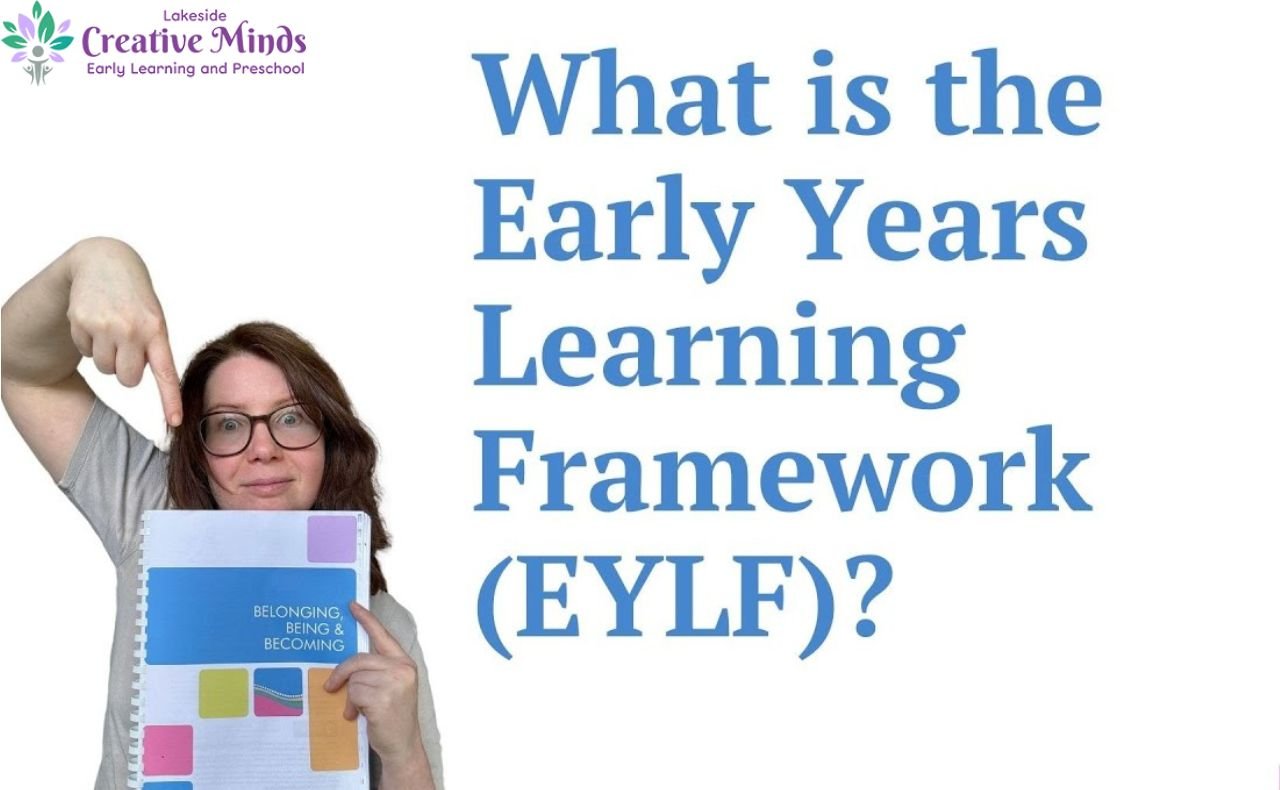

The early years learning framework (EYLF) is a cornerstone of early childhood education in Australia, designed to guide educators in nurturing children’s development from birth to five years. Understanding the EYLF framework is essential for educators, parents, and caregivers who aim to provide meaningful learning experiences for young children.
We will explore what is eylf, its principles, planning cycles, outcomes, and developmental milestones, ensuring clarity and practical insights for implementing it effectively.
What is the Early Years Learning Framework (EYLF)?
The early years learning framework is a national curriculum framework that outlines the key learning outcomes for children in early childhood education. Its main goal is to support early years learning by providing a structured, play-based, and child-centered approach.
Fact: The EYLF was developed by the Australian Government to ensure all children experience high-quality education and care in their formative years.
Key Points About EYLF:
- Purpose: To foster holistic development in children
- Target Age Group: Birth to five years
- Focus Areas: Identity, wellbeing, learning, communication, and social skills
Key Principles of the EYLF Framework
The eylf framework is guided by five key principles that underpin effective early childhood education. These principles help educators create meaningful, engaging, and inclusive learning experiences.
1. Secure, Respectful, and Reciprocal Relationships
Children thrive in environments where they feel safe and valued. Educators build trust through responsive interactions and by nurturing emotional wellbeing. Understanding the daily experiences of children can be enhanced by seeing a day in the life of a child at Raymond Terrace early education.
2. Partnerships with Families
Family involvement is critical in supporting early years learning. The EYLF encourages collaboration between educators and families to ensure children’s learning is consistent at home and in the classroom. Many early education providers, such as eastwood preschool, highlight the importance of family engagement in shaping children’s development and supporting learning outcomes.
3. High Expectations and Equity
Every child has the right to quality education regardless of background. The framework promotes inclusivity and sets high standards for learning outcomes. Implementing quality practices is similar to how preschool Raymond Terrace helps your child.
4. Respect for Diversity
The EYLF framework emphasizes embracing cultural, linguistic, and individual differences, fostering a sense of belonging and identity.
5. Ongoing Learning and Reflective Practice
Educators are encouraged to reflect on their teaching practices continuously, ensuring improvement and responsiveness to children’s needs. Insights on playful learning and fun activities for growing minds complement reflective practice strategies.
Early Years Learning Framework Outcomes
The early years learning framework outcomes are structured around five key areas, providing measurable and observable benchmarks for children’s development
| Outcome | Description | Example Activities |
| 1. Children have a strong sense of identity | Encouraging self-confidence and resilience | Role-play, storytelling |
| 2. Children are connected with and contribute to their world | Promoting social responsibility and community engagement | Group projects, cultural celebrations |
| 3. Children have a strong sense of wellbeing | Focusing on emotional and physical health | Yoga, mindfulness activities |
| 4. Children are confident and involved learners | Encouraging curiosity, problem-solving, and critical thinking | STEM experiments, exploration-based learning |
| 5. Children are effective communicators | Developing language, literacy, and social skills | Singing, reading, group discussions |
Pro Tip: Integrating these outcomes into daily activities ensures children’s learning experiences are holistic and meaningful. You can see similar strategies beyond ABCs: nurturing the whole child in preschool.
The Early Years Learning Framework Planning Cycle
The early years learning framework planning cycle helps educators plan, implement, and evaluate learning experiences effectively. This cyclical approach ensures continuous improvement in teaching and learning outcomes
Stages of the EYLF Planning Cycle:
- Observation: Understanding children’s interests, abilities, and needs
- Documentation: Recording observations for reflection
- Reflection: Analyzing the effectiveness of learning experiences
- Planning: Designing activities that align with EYLF outcomes
- Implementation: Executing the planned learning activities in classrooms or home settings
Visual Example:
Observation → Documentation → Reflection → Planning → Implementation → Observation
Developmental Milestones and EYLF
The early years learning framework developmental milestones serve as a guide to track children’s progress in physical, cognitive, social, and emotional areas. Understanding these milestones helps educators tailor learning experiences to individual needs.
Milestone Categories:
- Cognitive Development: Problem-solving, memory, and creativity
- Language & Communication: Speaking, listening, and comprehension skills
- Social-Emotional: Emotional regulation, empathy, and teamwork
- Physical Development: Fine and gross motor skills
Table: Developmental Milestones by Age
| Age | Key Milestones |
| 0–1 Year | Basic motor skills, babbling, bonding with caregivers |
| 1–2 Years | Walking, simple words, social interactions |
| 2–3 Years | Basic problem-solving, sentences, cooperative play |
| 3–4 Years | Complex sentences, imaginative play, early literacy skills |
| 4–5 Years | Self-regulation, critical thinking, preparing for school readiness |
Semantic Keywords Used: early years learning framework developmental milestones, early years learning
Benefits of Using the EYLF Framework
The eylf framework provides numerous benefits for children, educators, and families
Key Benefits:
- Holistic Development: Supports physical, cognitive, social, and emotional growth
- Reflective Practice: Encourages educators to continuously improve their teaching
- Family Engagement: Strengthens partnerships with families
- Quality and Consistency: Ensures high-standard early years learning experiences
Callout: Implementing the early years learning framework ensures that every child receives a balanced and meaningful learning experience that prepares them for lifelong learning. For practical insights, see supercharge your child’s development: the power of daycare.
Semantic Keywords Used: eylf framework, early years learning framework
Frequently Asked Questions
What is EYLF?
The EYLF is a national framework for early childhood education in Australia, guiding educators in delivering high-quality early years learning
Why is EYLF important for early years learning?
It provides a structured approach to support holistic child development, ensuring children meet key learning outcomes
How do educators implement the EYLF framework?
By following the early years learning framework planning cycle, educators can design activities, monitor progress, and adapt strategies to meet each child’s needs
What age group does the EYLF apply to?
The EYLF applies to children from birth to five years old in early childhood education settings.
What are the EYLF learning outcomes?
The EYLF includes five learning outcomes covering identity, community, wellbeing, learning, and communication.
How does the EYLF benefit children?
The EYLF supports play-based learning and holistic development across social, emotional, and cognitive areas.
Conclusion
The early years learning framework (EYLF) is a vital tool for promoting early years learning through structured, play-based, and child-centered approaches. By understanding its principles, outcomes, planning cycle, and developmental milestones, educators and parents can create meaningful learning experiences that foster lifelong skills.
Whether you are a parent, educator, or caregiver, embracing the EYLF framework ensures children receive the best possible start in life. For support with implementing quality learning and care, visit lakesidecreativeminds where caring professionals help nurture young minds through engaging early education and holistic development programs designed for your child’s success.

