
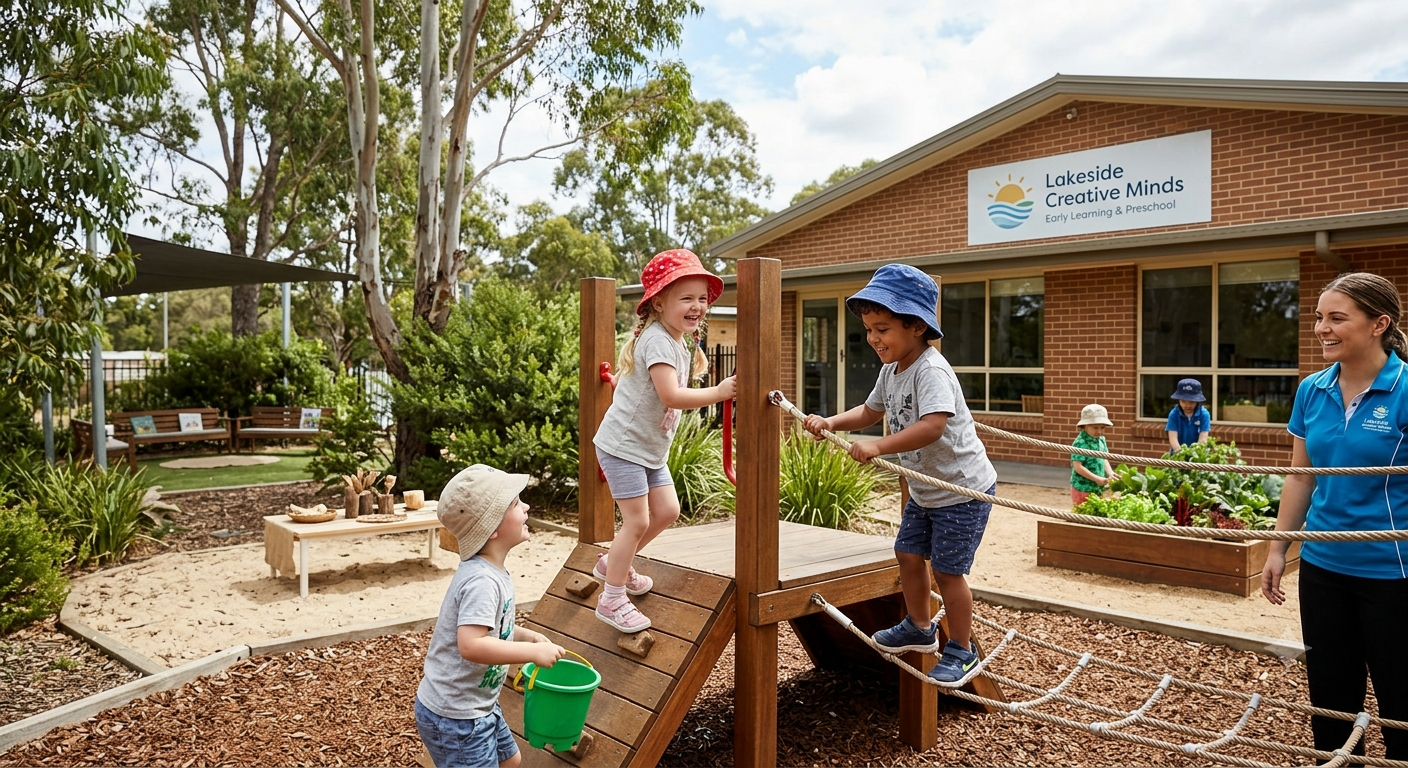

A happy day can start with something as simple as knowing what comes next. With Daycare in Raymond Terrace, your child can enjoy familiar routines while having plenty of time to play, create, move, and connect. From morning activities to outdoor play and quiet moments, each part of the day can give your child something to enjoy. When the routine feels right, your child can settle in, take part, and enjoy the day at their own pace.
Why Does Your Child Need a Comfortable Daily Rhythm?
You may notice that your child feels more comfortable when familiar parts of the day happen in a predictable order. Arriving, greeting educators, choosing an activity, playing outdoors, eating, and enjoying quieter moments can give your child a sense of what comes next.
A familiar rhythm can also help your child practise independence. You can encourage your child to put belongings away, wash hands before meals, choose between activities, or help tidy up after play.
These small responsibilities can become meaningful learning opportunities when they are part of your child’s regular day.
What Makes a Daycare a Good Fit for Your Child?
A good fit means your child feels comfortable, happy, and supported throughout the day.
You can look for a routine that gives your child time for play, learning, meals, rest, and outdoor activities without feeling rushed.
Your child can also benefit from activities that match their interests, such as cooking, yoga, creative play, and STEAM experiences.
At Lakeside Creative Minds Early Learning and Preschool, your child can take part in varied daily experiences while building relationships with caring educators and developing independence.
How Can Learning Fit Naturally Into Your Child’s Day?
You do not need learning to involve worksheets or formal classroom tasks. Your child can learn while building, creating, cooking, talking, moving and playing.
How Your Child Learns Through Everyday Play
Your child can learn while playing, creating and taking part in everyday activities. Building, drawing, cooking and group games can help your child practise communication, problem-solving and coordination in a natural way.
When your child enjoys an activity, you can see learning happen through their questions, choices and interactions with others.
Why Outdoor Play Matters for Your Child?
Outdoor play can give your child space to move, socialise and use their imagination.
You may see your child running with friends, climbing, balancing, playing pretend games or taking part in group activities. These experiences can support physical development while giving your child opportunities to communicate and cooperate with others.
Lakeside Creative Minds includes indoor and outdoor areas where your child can take part in different experiences throughout the day.
How Do Meals Become Part of the Daily Experience?
Meals are another important part of your child’s routine. Sitting down to eat can give your child time to pause, connect with others and practise everyday habits.
At Lakeside Creative Minds, nutritious meals form part of the daily experience, while cooking activities give your child opportunities to learn through food.
You can see your child practise counting, follow simple instructions, talk about ingredients and take part in age-appropriate food preparation.
These practical experiences can also encourage your child to become more confident with everyday tasks.
Why Does Your Child Need Some Quiet Time?
Your child can have plenty of energy for play, but there will also be moments when slowing down feels better.
Reading a book, doing a puzzle, drawing or simply spending time in a calm space can give your child a chance to relax.
These quieter parts of the day can help your child settle after active play and enjoy a different pace. A good routine gives your child space to be active, then slow down when needed.
How Can Movement Support Your Child?
Movement can naturally fit into your child’s day through outdoor play, active games and activities such as yoga.
Yoga can give your child opportunities to practise balance, body awareness, coordination and calm breathing. Your child can also learn to follow simple instructions while enjoying movement in a group setting.
When active and quieter experiences are balanced, your child can move through the day without feeling overwhelmed by constant activity.
What About Your Child’s Individual Needs?
Every child has different interests, abilities, and ways of participating. Every child learns and grows in their own way, so you want your child to have experiences that feel right for where they are now.
At Lakeside Creative Minds, tailored learning programs support each child’s individual journey. Family relationships are also an important part of the learning environment.
You can share what your child enjoys, what they find challenging, and what interests them at home. This communication can help create stronger connections between your child’s home and early learning experiences.
How Do You Know Your Child Is Comfortable With the Routine?
You know your child best, so small changes in their behaviour can tell you a lot about how they are feeling.
You might notice that saying goodbye becomes easier, your child starts talking about their day, or they happily greet their educators when they arrive. You may also see your child becoming more confident with simple tasks, choosing activities or joining in with other children.
It can also help to ask about what your child’s usual day looks like. You can ask about playtime, outdoor activities, meals, rest, learning experiences and time spent with other children.
When you understand how your child spends their day, you can get a clearer picture of whether the routine feels comfortable and manageable for them. A routine that suits your child should give them time to play, learn, relax, and enjoy familiar parts of their day without feeling rushed.
FAQs
1. What should you look for in a good daycare routine?
You can look for a balanced routine that includes learning, play, outdoor experiences, meals, movement, social interaction and quieter periods.
2. Why is a familiar routine helpful for your child?
A familiar routine can help your child understand what happens throughout the day. It can also give your child regular opportunities to practise independence.
3. How can you tell whether a daycare is a good fit?
You can consider whether your child feels comfortable, connects with educators, enjoys the activities and gradually becomes more confident with everyday routines.
4. Why is outdoor play important during the day?
Outdoor play gives your child opportunities to move, practise physical skills, communicate with friends and enjoy imaginative play in a different setting.
5. Can cooking support your child’s learning?
Yes. Cooking can give your child opportunities to practise counting, communication, following instructions, making choices and learning about food.
6. Does your child need quiet time during the day?
Quiet activities can give your child time to slow down after active play. Books, puzzles, creative activities and calm play can support concentration and relaxation.
7. How can you support your child’s transition into a new routine?
You can talk positively about the upcoming routine, keep mornings predictable and share useful information about your child’s interests and habits with educators.

