

Introduction
Excelling as a childcare educator is more than a profession; it is a responsibility to shape young lives during their most important early years. In every childcare centre, educators create the foundation for learning, emotional growth, and social development.
At Lakeside Creative Minds, we believe that great childcare educators are built through passion, care, and continuous improvement. If you want to grow in this meaningful career, these five practical tips will help you become a confident and effective early childhood professional.
1. Keep Learning and Growing Professionally
Great educators never stop learning. The world of early learning programs and child development is always evolving, and staying updated is essential.
To improve your skills:
- Attend workshops and training sessions
- Learn new teaching strategies
- Stay updated with child development research
- Explore modern childcare practices in Australia
Continuous learning helps you deliver better experiences in every childcare centre and builds confidence in your role as a childcare professional.
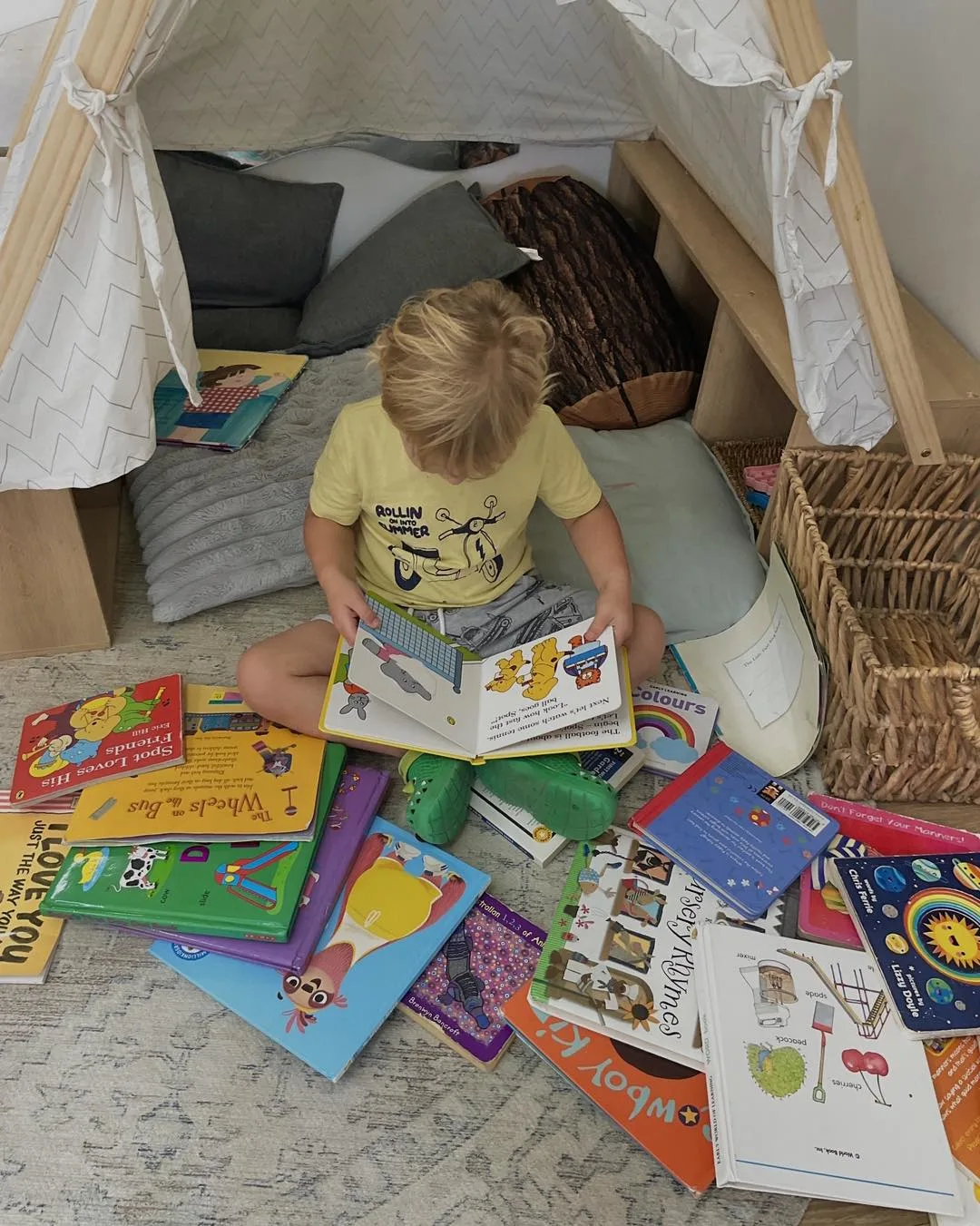
2. Create a Safe and Nurturing Environment
A strong childcare educator understands that children learn best when they feel safe and supported.
A quality learning environment should be:
- Warm, welcoming, and inclusive
- Organised with age-appropriate learning materials
- Filled with creativity and play-based learning tools
- Emotionally supportive and calm
In every childcare centre, a nurturing environment helps children build trust, confidence, and a love for learning.
3. Build Strong Communication Skills
Communication is one of the most important skills for childcare educators.
Effective communication helps you:
- Understand each child’s needs
- Build trust with parents and families
- Work well with other educators
- Support children’s emotional development
In a professional childcare centre, regular updates with parents create transparency and strengthen relationships. Clear communication also improves teamwork within early learning programs.

4. Be Flexible, Patient, and Understanding
Working in childcare means every day is different. Children learn and behave in unique ways, so flexibility is essential.
A great childcare educator should:
- Adapt teaching methods for different children
- Stay calm during challenging situations
- Understand that every child develops at their own pace
- Respond with patience and empathy
Whether you are working in a childcare centre or supporting early learning programs, flexibility helps create a positive learning experience for every child
5. Reflect, Improve, and Evolve
Self-reflection is key to becoming an excellent educator. It helps you grow and improve your teaching approach over time.
Ask yourself regularly:
- What worked well today?
- What can I improve?
- How did children respond to activities?
- What feedback did parents give?
By reflecting, childcare educators can continuously improve their teaching style and provide better support in every childcare centre.
Why These Skills Matter in Early Childhood Education
Strong educators are the backbone of every successful childcare centre. These skills help you:
- Support children’s emotional development
- Encourage social interaction and teamwork
- Build early learning confidence
- Create a positive classroom environment
- Strengthen family trust and communication
In Australia’s early learning programs, educators play a vital role in shaping school readiness and lifelong learning habits.
Final Thoughts
Becoming a successful childcare educator requires passion, patience, and continuous growth. By improving your skills, building strong relationships, and creating nurturing environments, you can make a real difference in children’s lives.
At Lakeside Creative Minds, we value dedicated educators who are committed to excellence in every childcare centre environment. With the right mindset and continuous development, you can build a rewarding and impactful career in early childhood education.
FAQs
1. What makes a good childcare educator?
A good childcare educator is patient, caring, flexible, and committed to supporting children’s learning and emotional development.
2. Why is communication important in childcare?
Communication builds trust with parents, supports teamwork, and helps educators understand children’s needs clearly.
3. How can childcare educators improve their skills?
By attending training, gaining experience, reflecting on practice, and staying updated with early learning trends.
4. What is the role of a childcare educator in early learning programs?
They guide children’s development through play-based learning, emotional support, and structured educational activities.
5. Why is reflection important for educators?
Reflection helps educators identify strengths, improve teaching methods, and deliver better learning outcomes for children.

