

Choosing a preschool is about more than finding a safe place for your child during the day. Parents want to know how their child will learn, grow, and develop important skills before starting school.
At Lakeside Creative Minds, we believe children learn best through a combination of play, exploration, creativity, and meaningful interactions. Our preschool programs in Raymond Terrace are designed to support every area of a child’s development while making learning enjoyable and engaging.
From creative arts to outdoor adventures, preschool activities help children build confidence, independence, and school readiness skills that benefit them for years to come.
Why Preschool Activities Matter for Child Development
The preschool years are a critical stage of growth. During this time, children develop important skills that support their cognitive, social, emotional, and physical development.
Well-planned preschool activities help children:
- Build confidence and independence
- Improve communication and language skills
- Strengthen fine and gross motor abilities
- Develop problem-solving and critical thinking skills
- Learn cooperation and teamwork
- Prepare for a successful transition to school
At Lakeside Creative Minds Preschool, Raymond Terrace, every activity is designed with a purpose while still allowing children to learn through play.
Creative Arts and Crafts
Creative experiences encourage children to express themselves while developing important developmental skills.
Activities may include:
- Painting and drawing
- Collage making
- Craft projects
- Clay and sculpting activities
These experiences support:
- Fine motor development
- Hand-eye coordination
- Creativity and imagination
- Self-expression and confidence
For many children, art is one of the first ways they communicate ideas and emotions.
Music and Movement Activities
Music is a powerful learning tool in early childhood education.
Children enjoy:
- Singing songs
- Dancing and movement games
- Rhythm activities
- Playing simple musical instruments
Music activities help develop:
- Listening skills
- Coordination and balance
- Memory and concentration
- Language development
- Emotional expression
Group music sessions also encourage social interaction and participation.
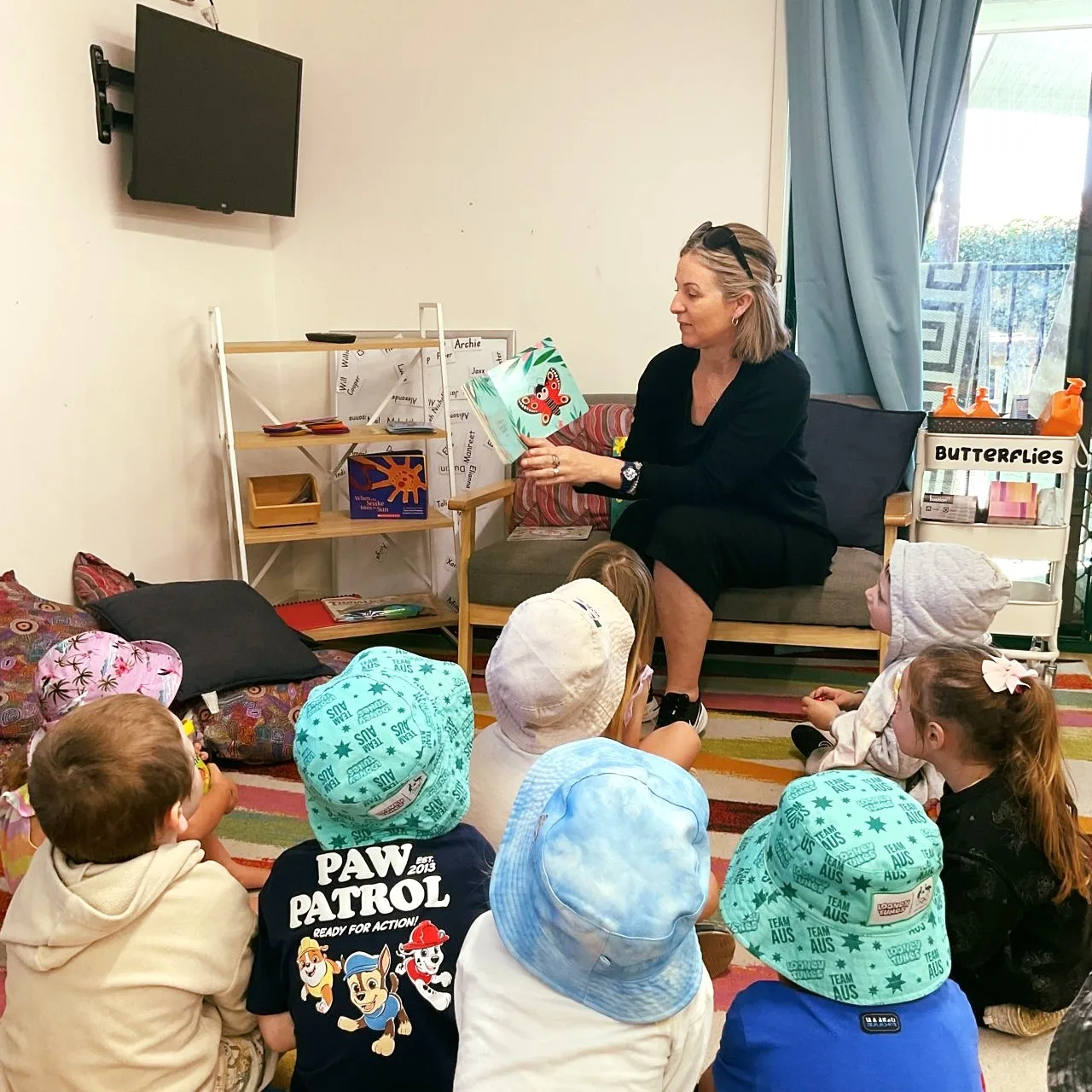
Storytelling and Early Literacy Activities
Building strong literacy skills starts long before children learn to read independently.
At preschool, children participate in:
- Story reading sessions
- Group discussions
- Interactive storytelling
- Rhyming games
- Vocabulary-building activities
These experiences help children develop:
- Communication skills
- Listening and comprehension abilities
- Imagination and creativity
- Early literacy foundations
Children who enjoy books and storytelling often transition more confidently into school learning environments.
Outdoor Play and Physical Development
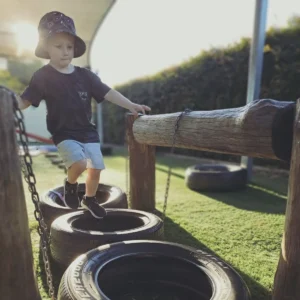
Active play is an essential part of a quality preschool program.
Outdoor activities may include:
- Running and obstacle courses
- Climbing equipment
- Ball games
- Nature exploration
- Group outdoor activities
Benefits include:
- Gross motor skill development
- Physical fitness and wellbeing
- Balance and coordination
- Confidence and resilience
- Social interaction
At Lakeside Creative Minds, outdoor learning is an important part of our preschool experience.
Cognitive Games and Problem-Solving Activities
Preschool children are naturally curious and enjoy challenges that encourage thinking and discovery.
Popular cognitive activities include:
- Matching games
- Sorting and categorising objects
- Memory games
- Puzzles
- Building and construction activities
These activities support:
- Logical thinking
- Concentration
- Problem-solving abilities
- Early mathematical understanding
Developing these skills early helps create a strong foundation for future learning.
Role Play and Imaginative Learning
Pretend play is one of the most valuable learning experiences in early childhood.
Children may explore roles such as:
- Doctors
- Teachers
- Shopkeepers
- Builders
- Firefighters
Role play helps children:
- Build communication skills
- Develop empathy and understanding
- Practice social interactions
- Increase confidence
- Explore real-world situations
This type of learning allows children to make sense of the world around them through creativity and imagination.
Sensory Play and Exploration
Sensory experiences encourage children to investigate, experiment, and learn through their senses.
Activities may include:
- Sand and water play
- Playdough activities
- Texture exploration
- Nature-based sensory experiences
- Finger painting
Sensory play supports:
- Brain development
- Fine motor skills
- Concentration
- Creativity
- Problem-solving
Children naturally learn through touching, exploring, and experimenting with different materials.
Group Activities and Social Skill Development
Learning to work with others is an important part of preschool education.
Group experiences help children learn:
- Sharing and cooperation
- Taking turns
- Respecting others
- Communication skills
- Conflict resolution
Whether working on a group project or participating in a team game, children build important social skills that support future success in school and life.
Science and Nature Exploration
Young children are naturally curious about the world around them.
Preschool science activities may include:
- Gardening projects
- Nature walks
- Observing insects and plants
- Simple science experiments
- Weather observations
These activities encourage:
- Curiosity and discovery
- Observation skills
- Critical thinking
- Environmental awareness
Hands-on exploration helps children become active learners and problem-solvers.
School Readiness Activities
One of the key goals of preschool is helping children prepare for their transition to primary school.
School readiness activities focus on:
- Following instructions
- Early literacy and numeracy skills
- Independence and self-help skills
- Confidence in group settings
- Communication and social interaction
At Lakeside Creative Minds, school readiness is woven naturally into everyday learning experiences, helping children feel confident and prepared for their next educational step.
Why Families Choose Lakeside Creative Minds Preschool in Raymond Terrace
Families choose Lakeside Creative Minds because our preschool programs combine learning, creativity, and care in a nurturing environment.
Our preschool offers:
- Qualified and caring educators
- Play-based learning programs
- School readiness support
- Safe indoor and outdoor learning spaces
- Strong family partnerships
- Individualised learning experiences
We believe every child deserves opportunities to learn, explore, and develop confidence through meaningful early learning experiences.
Conclusion
Preschool activities play an essential role in helping children develop the skills they need for lifelong learning and success. From creative arts and storytelling to outdoor play and school readiness programs, each activity contributes to a child’s cognitive, social, emotional, and physical growth.
At Lakeside Creative Minds Preschool Raymond Terrace, children participate in engaging learning experiences that encourage curiosity, confidence, independence, and a love of learning. Through a balanced combination of play-based education and structured learning opportunities, we help children build strong foundations for school and beyond.
Frequently Asked Questions
What types of activities are most important in preschool?
Activities that support social, emotional, cognitive, and physical development are all important. These include play-based learning, storytelling, outdoor play, creative arts, and school readiness experiences.
How do preschool activities prepare children for school?
Preschool activities help children develop communication, problem-solving, independence, literacy, numeracy, and social skills that support a smooth transition into primary school.
Why is play-based learning important in preschool?
Play-based learning allows children to explore, experiment, and learn naturally while developing critical thinking, creativity, communication, and social skills.
What age is suitable for preschool in Australia?
Most children attend preschool between three and five years of age before starting kindergarten or primary school.
How does Lakeside Creative Minds support child development?
Lakeside Creative Minds provides play-based learning, qualified educators, school readiness programs, creative activities, outdoor learning, and personalised support to help children thrive during their early years.

